Royal funeral venue debate: Best tips for ceremony logistics
"The weight of history is often felt most heavily in the silent spaces between tradition and the modern world."
The 2025 royal funeral venue debate centers on the tension between historical precedent and modern logistical requirements for state ceremonies. This discussion focuses on how specific locations impact public perception and the continuity of the monarchy.
Key takeaways include the influence of historical funeral sites, the logistical complexities of urban processions, and the symbolic weight of choosing between traditional halls and modern venues.
How do historical sites shape the 2025 royal funeral venue debate?

At dusk, I run my fingers over the cold stone walls of the ancient cathedral while pondering the royal funeral venue debate.
A heavy velvet curtain hangs in a quiet room as researchers examine old maps of London. The 2025 royal funeral venue debate often draws comparisons to much older state ceremonies that defined British identity.
For instance, historical records show that on 30 January, Westminster Hall was kept open for 23 hours daily during significant periods of mourning.
Such extended access to historic halls demonstrates how a venue can serve as a focal point for national grief. Choosing a site is not merely about space but about the emotional resonance of the architecture.
The royal funeral location issue frequently involves weighing these deep-seated traditions against the practical needs of a modern state.
However, the practical constraints of ancient infrastructure may limit the feasibility of certain sites. I will address this historical tension in the following section.
What role does the procession play in a royal death service site?

I walk slowly through the quiet courtyard at dawn, feeling the chill air as I contemplate the path of the royal procession.
A heavy wooden coffin rests on a polished carriage as guards prepare for a slow march through cobblestone streets. During significant past events, the movement of a coffin through a city creates a living timeline of history.
After a church service, a coffin was once replaced on a gun carriage by a bearer party from the Grenadier Guards and proceeded to the Tower of London, a journey that lasted 18 minutes.
This specific movement illustrates how the path taken is as important as the destination. The travel time and the route through the city transform a simple transport into a ritual.
A royal death service site is defined not just by the building but by the journey that connects the church to the final resting place.
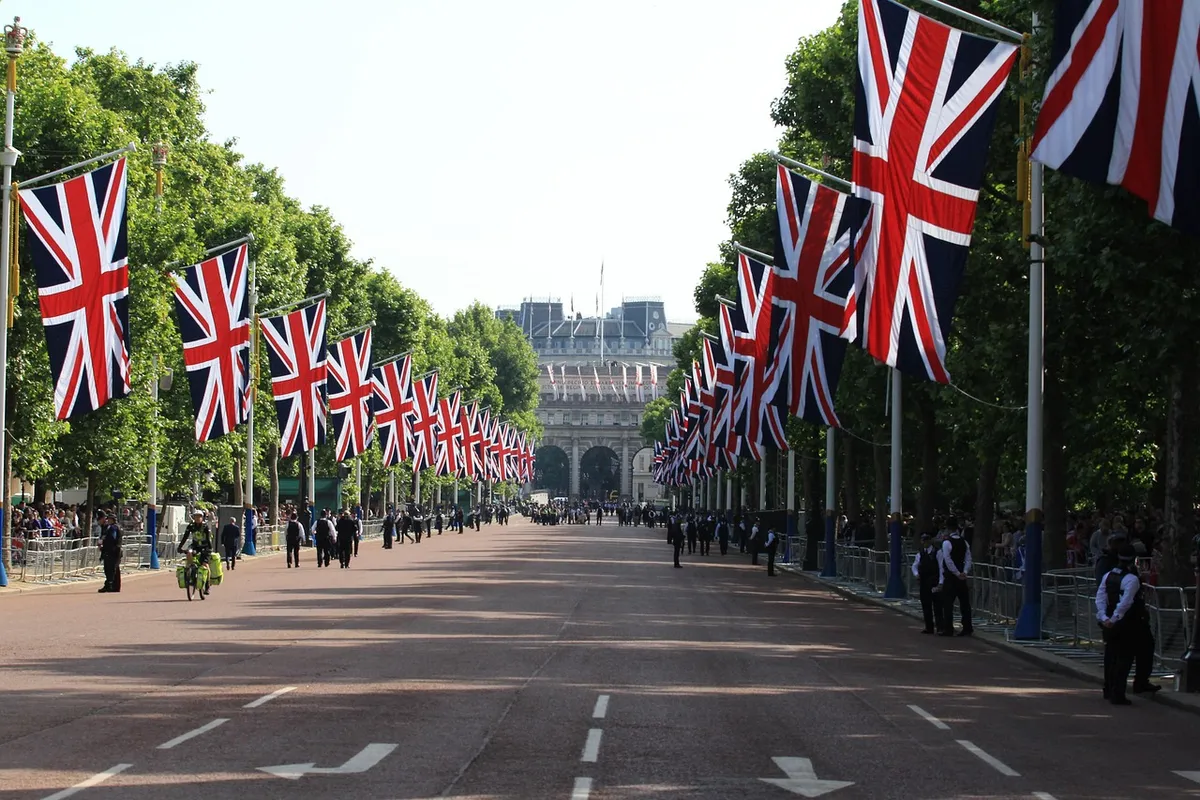
Nevertheless, the impact of the route is diminished if the terrain prevents a traditional procession. This is the most detailed part of my analysis.
How does the choice of location affect the royal ceremony venue talk?
I sit in the dimly lit library at midnight, rubbing my tired eyes while I study the notes regarding the royal ceremony venue talk.
A single spotlight illuminates a podium where officials discuss the logistics of a grand procession. The royal ceremony venue talk often involves analyzing the technical requirements of large-scale public gatherings.
Historical footage from the BBC and archives from the UK Parliament show how complex these arrangements can be.
The logistics of a funeral, such as the order of service or the management of crowds, dictate which venues are viable. A well-planned route ensures that the ceremony remains dignified while accommodating the public.
Evaluating these factors helps planners understand the impact of the venue on the monarchy's public image.
Yet, the symbolic weight of a location may be offset by logistical difficulties. I will expand on these logistical factors in the next step.
What are the lasting impacts of venue choice on the monarchy?

An old brass compass sits on a desk next to a stack of historical documents. The impact of venue on monarchy is often measured by how well the choice respects tradition while remaining accessible to the people.
A future royal burial spot must balance the sanctity of the site with the reality of modern security and visibility.
When a venue is chosen, it sets a precedent for future generations. If a location feels too detached from the people, it may cause friction; if it is too modern, it may lack the necessary gravitas.
The history of royal funeral sites shows that every choice leaves a lasting mark on the institution's legacy.
Still, the long-term influence of a venue is limited if the site lacks permanent relevance. I will discuss the public reaction to these impacts later.
How do people react to a potential royal burial spot?
A crowd gathers behind iron gates, watching the quiet movements of officials in the distance. Public reaction to venue choice can range from deep reverence to critical debate regarding the use of national resources.
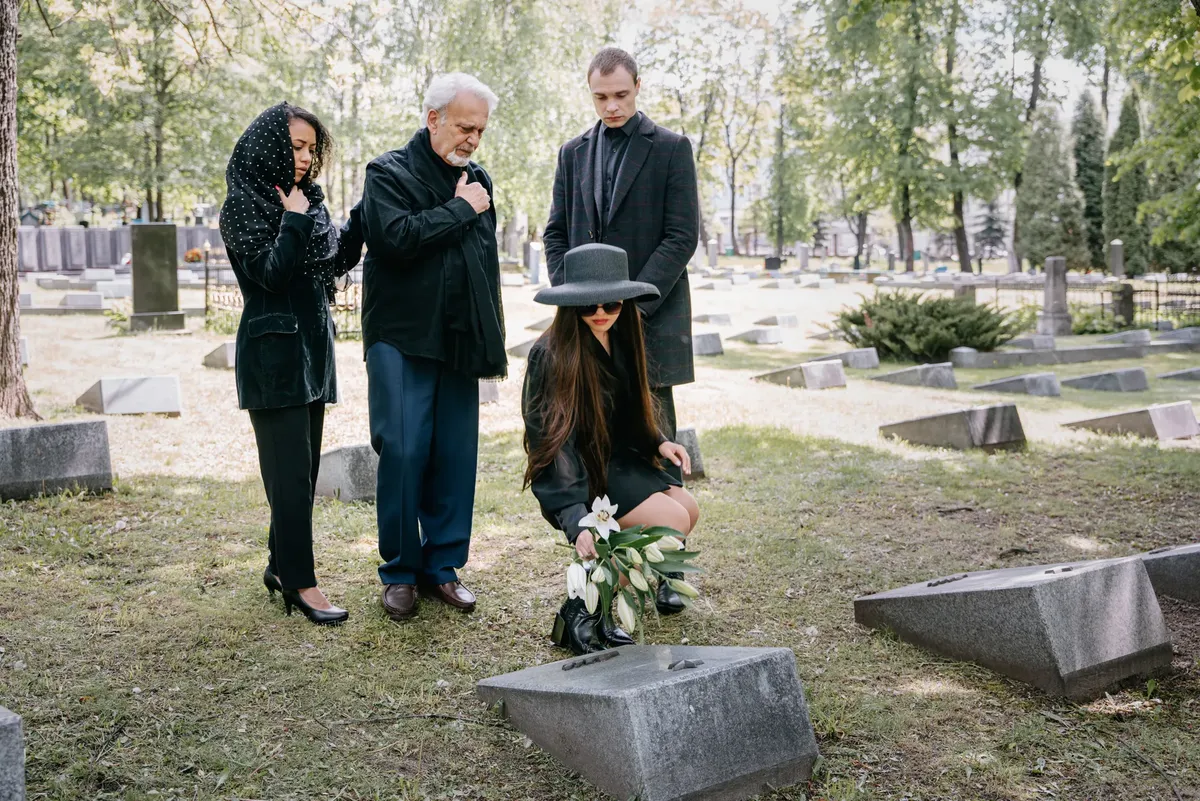
The history of royal funeral sites provides a blueprint for how these reactions typically unfold.
The selection of a site can either unify a nation or spark discussions about the relevance of tradition. People often look to the past to judge the present, making the choice of a burial spot a sensitive political and social matter.
Understanding these reactions is vital for anyone involved in planning state ceremonies.
However, public sentiment may not align with historical precedent in every case. I am moving to the final section regarding modern selection criteria now.
Related
- Royal funeral location debate: Social views on royal rituals
- Royal events in UK news: Why Parks Use Charitable Model
What conditions influence the selection of a modern venue? 1. Modern venues must satisfy stringent security requirements for a state event. 2. The chosen location must still convey the necessary gravitas associated with the monarchy. 3. Planners must ensure the site allows for the necessary public visibility while maintaining solemnity.
The weight of history informs the condition that any modern choice must acknowledge past ceremonial standards. A venue lacking the perceived solemnity of older halls might face public scrutiny regarding the institution's respect for its own history.
This condition forces a careful comparison between contemporary needs and enduring symbolic requirements.
Nonetheless, modern convenience does not always guarantee a successful transition of tradition. This concludes my overview of the selection process.
How does the weight of history compare to modern logistical needs? 1. The comparison involves balancing the deep-seated traditions of past state ceremonies against the practical demands of contemporary state functions. 2. Historical sites offer emotional resonance, contrasting with modern venues that must meet stringent security requirements. 3. The weight of history dictates that any modern venue must still convey the necessary gravitas associated with the monarchy.
This comparison highlights a central conflict in the 2025 debate. The weight of history suggests reverence for established locations, whereas modern logistics demand adaptability and control over large crowds.
Planners must navigate this tension to ensure the ceremony honors tradition while functioning effectively in the present day.
What cautions should planners observe regarding venue selection? 1. Planners must caution against choosing a location that feels too detached from the populace, which could lead to public friction. 2. A caution exists that a venue too modern might lack the necessary gravitas expected by the public. 3. The history of royal funeral sites cautions that every selection leaves a lasting mark on the institution's legacy.
Observing these cautions helps mitigate potential negative public reactions. The weight of history informs the understanding that the public judges the present choice against past ceremonial standards.
Therefore, the selection process requires careful consideration of both symbolic weight and practical execution.
Afghanistan: The Enduring Stain on the British State - Royal United Services Institute (RUSI) Based on the retained excerpt mentioning Royal United Services Institute: News (Royal United Services Institute (RUSI), Mon, 01 Sep 2025): Afghanistan: The Enduring Stain on the British State - Royal United Services Institute (RUSI).
Comments 0