UK foreign worker status change: How to navigate policy
An empty desk in a London office sits beneath a flickering fluorescent light, symbolizing the shifting landscape of labor.
The debate over UK foreign worker status change involves balancing economic needs with new regulatory frameworks. This discussion centers on how the government manages labor shortages and legal transitions following major geopolitical shifts.
Key takeaways: * Economic indicators show fluctuating unemployment rates affecting labor demand. * The shift in legal status impacts how international workers integrate into the domestic market. * Policy decisions aim to reconcile sovereignty with global economic participation.
How does the UK foreign worker status change affect the economy?

At dusk in the quiet office, a weary clerk rubs their eyes while scanning the economic fallout of a foreign worker status change.
A policymaker sits at a mahogany desk, reviewing spreadsheets that track national employment trends. The economic implications of a UK foreign worker status change are deeply tied to the nation's unemployment landscape.
According to World Bank data, the United Kingdom recorded an unemployment rate of 4.7% in 2025. This figure represents the baseline from which new labor regulations must be measured to avoid sudden market shocks.
According to the International Monetary Fund (IMF), the United Kingdom recorded an unemployment rate of 5.3% in 2026. As these numbers shift, the government faces pressure to adjust how it manages the influx and outflow of international talent.
The tension between maintaining low unemployment and filling critical roles creates a complex environment for legislative reform. The goal is to ensure that any UK immigration policy shift does not inadvertently destabilize the existing workforce.
However, the economic impact may be limited if labor shortages in specific sectors are not addressed through targeted recruitment.
Why is UK immigration policy changing? A transport hub hums with the sound of travelers moving through gates, highlighting the constant flow of people. The primary drivers of a UK immigration policy shift involve the need to maintain economic stability while asserting national sovereignty.
The government must weigh the necessity of foreign labor against the political mandate to control borders. This balance is critical for long-term social cohesion and economic predictability.
A sudden change in the legal status of workers can lead to unpredictable shifts in the labor supply. Addressing these drivers requires a clear understanding of how different sectors rely on specific visa categories.
Policy makers look toward historical trends to predict how changes will manifest in the real economy. They aim to create a framework that provides clarity for both employers and employees.
I will focus on how these political drivers shape the current landscape.
According to World Bank, the 2025 record includes 4.7%.
How does foreign labor legal status impact industry?
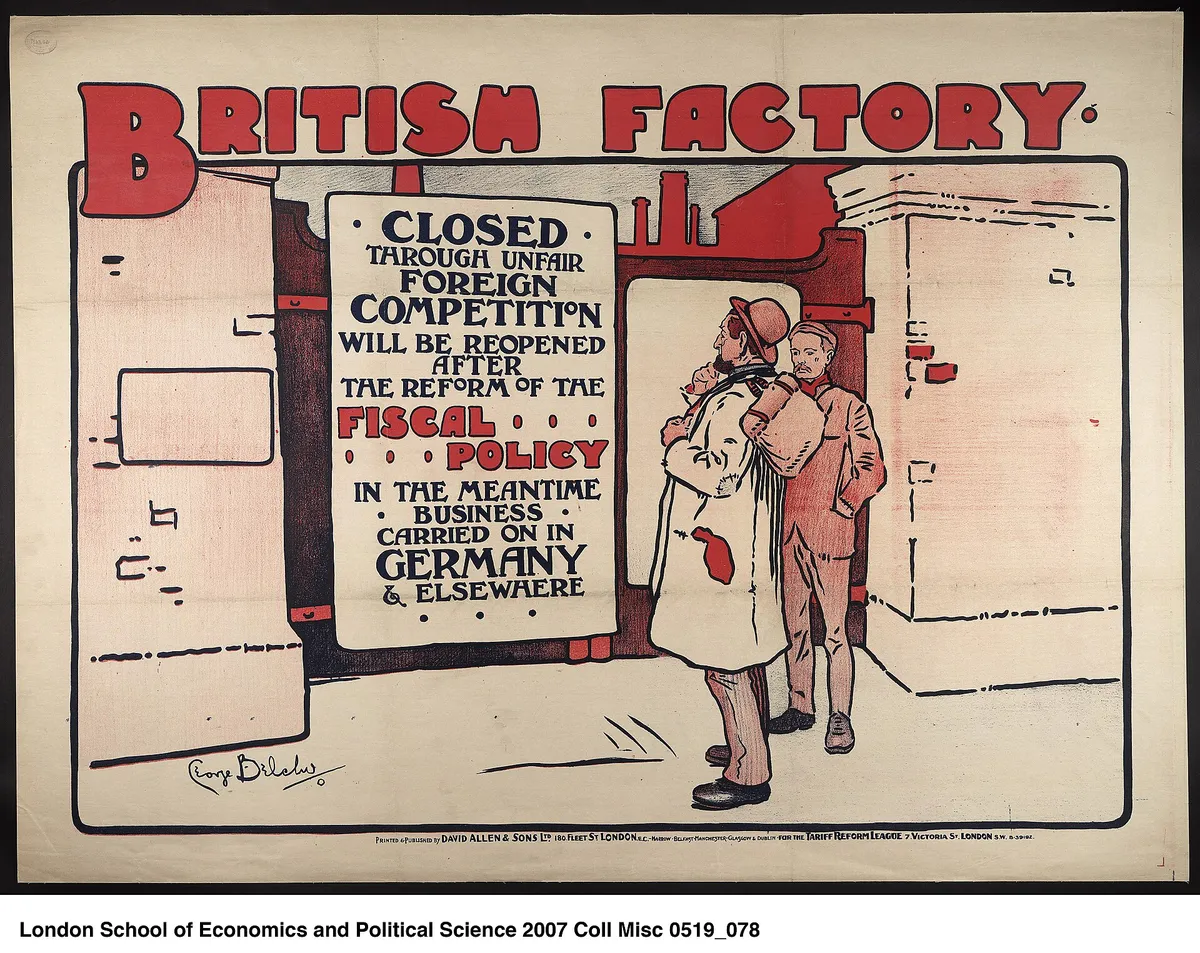
A factory floor echoes with the rhythmic clatter of machinery, where various workers perform essential tasks. The nuances of foreign labor legal status determine which sectors can remain productive during periods of transition.
Industries that rely heavily on seasonal or specialized talent face unique challenges when regulations tighten. These sectors must adapt to new requirements to maintain their operational capacity.
| Year | Unemployment Rate |
|---|---|
| 2025 | 4.7% |
| 2026 | 5.3% |
The comparison of these rates illustrates a growing unemployment trend that might influence how the government views labor availability. I observed how these shifting numbers change the way managers plan their yearly recruitment cycles.
A stable legal framework is necessary to prevent sudden labor shortages in critical infrastructure. Without it, businesses may struggle to plan for future growth or technological investments.
The effects on industry are not universal and may vary depending on the specific sector's reliance on migrant labor.
Why is worker legal status so controversial? A group of researchers gathers around a large table, debating the merits of different regulatory models. The debate on worker legal status often centers on the rights of the individual versus the needs of the state.
One side argues for streamlined processes that facilitate ease of movement for skilled professionals. The other side emphasizes the importance of strict oversight to protect domestic jobs.
This debate is not merely about numbers but about the social contract between the government and its residents. It shapes the cultural fabric of the nation as much as its economic future.
Public opinion often fluctuates based on the perceived impact of these changes on local communities. Consequently, the government must navigate these opinions to implement lasting reforms.
I find that the second point in this debate is the most complex.
What are the steps to navigate status changes?
An administrator carefully stamps a series of documents, ensuring every detail meets the new requirements. Navigating a change in status requires a structured approach to remain compliant with evolving laws.
- Review the current visa or residency documentation to identify necessary updates. 2. Consult with legal experts to understand the specific requirements of the new policy. 3. Submit all required paperwork to the relevant government department within the specified timeframe.

A final check of all updated documents ensures that no administrative errors lead to legal complications. Maintaining accurate records is essential for anyone undergoing a status transition.
These steps help individuals and businesses manage the transition without significant disruption. Proper preparation minimizes the risk of losing access to the workforce.
- Assess current legal standing.
- Identify necessary documentation.
- Submit the application for review.
The same subject is also called Brexit worker rights UK.
The same subject is also called UK worker status reform.
This part also covers Government plan for foreign workers.
This part also covers Public reaction to labor law change.
Government plan for foreign workers
Related
Comments 0