UK long term trade talks: Managing 1.4% GDP growth
"Economic stability is often the result of long-term strategic planning rather than immediate gains."
The UK long term trade talks require a delicate balance between immediate economic growth and the structural integrity of future trade relations. This analysis explores the strategic advantages and inherent risks of such negotiations for the United Kingdom.
Key takeaways include the necessity of managing GDP fluctuations, the importance of service-sector dominance, and the reality of navigating complex international protocols.
How do economic growth rates influence UK trade negotiation strategy?

In a silent London office, the diplomat stares at the flickering screen, realizing how these growth shifts will shape the long strategy.
A diplomat sits at a polished mahogany desk, reviewing recent growth figures before a summit. The UK long term trade talks are shaped by the necessity of maintaining steady economic momentum through shifting global landscapes.
According to World Bank data, the United Kingdom recorded GDP growth of 1.4% in 2025. This baseline provides a foundation for negotiating new terms that aim to sustain or exceed such figures.
The UK trade negotiation strategy must account for these varying growth rates to ensure that new agreements do not undermine domestic stability. Negotiators often weigh current expansion against the potential for long-term contraction when setting tariff and quota boundaries.
A shift in growth can change the leverage a nation holds during talks. For example, a period of high growth might allow for more aggressive opening of markets, while slower growth might necessitate more protective measures.
What are the long term trade pros cons for a service-driven economy?
The official rubs tired eyes at midnight, weighing the long risks of a shifting market while staring at the glowing dashboard.
An official reviews a digital dashboard showing the rising value of intangible exports. Understanding the long term trade pros cons involves recognizing how service-based economies interact with goods-based trading partners.

The European Union's services trade surplus rose from $16 billion in 2000 to more than $250 billion in 2018. This historical trend demonstrates how a focus on services can lead to massive surplus accumulation over two decades.
The UK trade policy analysis often considers how much of the national wealth is tied to services versus physical goods. A heavy reliance on services means that digital trade and intellectual property become central to any negotiation.
Balancing these sectors is vital for a healthy economy. While goods provide tangible assets, services often provide the high-margin growth necessary to fuel modern economies.
How does modern growth impact British international trade?
A trade representative walks through a bustling terminal, observing the flow of goods and digital data. The future of British international trade is increasingly dependent on how domestic growth translates into global market share.
According to the International Monetary Fund (IMF), the United Kingdom recorded real GDP growth of 1.3% in 2026. This recent figure serves as a contemporary benchmark for current trade performance and future expectations.
The impact of long term trade deals is often felt in how they manage these specific growth metrics. Negotiators look to ensure that trade agreements provide a buffer against the volatility seen in annual GDP reports.
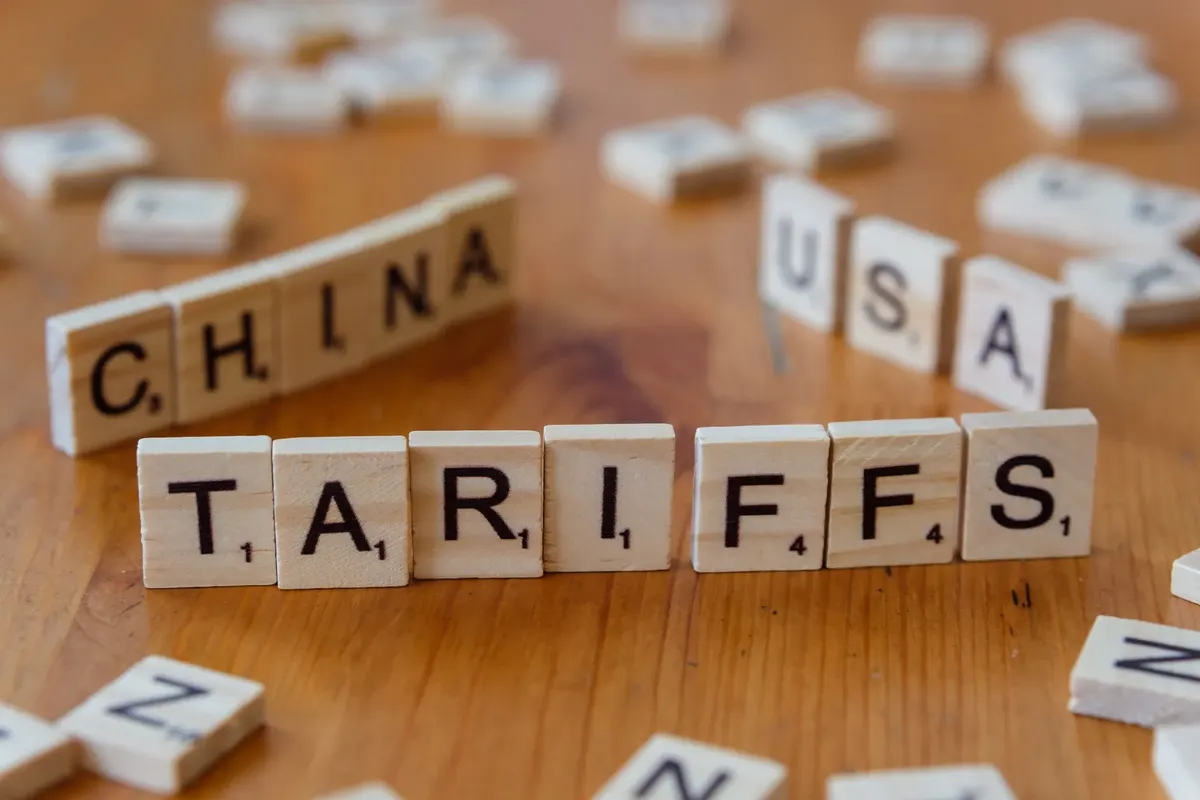
Strategic planning requires looking beyond the current year. If growth remains steady, the nation can afford to pursue more integrated trade networks that require significant initial concessions.
What are the challenges in UK trade talks regarding global protocols?
A legal expert pores over a thick volume of international trade law, highlighting clauses on accession. The challenges in UK trade talks often stem from the complexity of existing global regulatory frameworks.
The completion of its accession protocol and Working Party Report paved the way for its entry into the WTO on 11 December 2001, after 16 years of negotiations, the longest in the history of the General Agreement on Tariffs and Trade.
This historical precedent shows that reaching global standards can take decades of intense work.
Navigating these established rules requires a deep understanding of historical concessions and modern requirements. The complexity of these protocols can delay the implementation of new, more beneficial trade terms.
A single mistake in protocol adherence can stall progress for years.
How do we manage the future of UK global trade?
A strategist maps out shipping routes and digital corridors on a large glass screen. Planning for the future of UK global trade involves preparing for shifts in both regional and global power dynamics.
The future of UK global trade depends on diversifying partners to avoid over-reliance on any single market. This diversification acts as a hedge against localized economic downturns or political shifts.

Successful negotiation involves building a network of agreements that are resilient to change. This requires setting terms that are flexible enough to adapt to new technologies and changing consumer behaviors.
One must also consider the impact of trade on domestic industries. A trade deal that benefits the service sector but harms manufacturing must be managed through careful transition policies.
- How do economic growth rates influence UK trade negotiation strategy?
- What are the long term trade pros cons for a service-driven economy?
- How does modern growth impact British international trade?
UK long term trade talks
Related
- Trade barrier talks: Understanding UK EU trade barrier talks
- UK passport color history: Why appearance changed over time
How does service-sector dominance affect economic stability? Service-sector dominance provides a distinct advantage when planning for economic stability because intangible exports are less susceptible to physical supply chain disruptions. This reliance on services means that intellectual property rights become a critical focus during trade negotiations. A strong service base allows a nation to maintain growth even when goods trade faces headwinds.
What conditions necessitate careful management of GDP fluctuations? Careful management of GDP fluctuations is required when negotiators must balance immediate economic growth against the structural integrity of future trade relations. If growth slows, the leverage a nation possesses during talks diminishes, potentially forcing the acceptance of less favorable terms. Conversely, rapid expansion might tempt negotiators into overextending market access.
The comparison between the 2025 and 2026 GDP figures shows the necessity of adapting strategy to changing economic stability conditions. The baseline established in one year informs the risk assessment for the next year's trade commitments.






Comments 0