51.9% Leave Vote Triggers Decade-Long Sovereignty Struggle
"A single vote can change the course of a nation's history forever."
The 2016 referendum was not a final destination, but a profound inflection point that set in motion a complex, multi-stage process still defining modern British politics.
It transformed a question of membership into a decade-long struggle over sovereignty, identity, and the very structure of governance.
* The 51.9% "Leave" vote initiated a long, negotiated withdrawal process rather than an immediate severance of ties. * The result created significant procedural ambiguities regarding the timeline and the legal weight of a single public vote. * The outcome forced deep, structural shifts across UK governance, the economy, and international relations.
How was the 2016 Vote Legally Triggered and Conducted?
In the dim light of the morning, a voter gripped a lukewarm paper cup while standing in a silent queue at the local polling station.
A quiet morning in June 2016 saw millions of citizens walking to local polling stations. They stood in line, often clutching a lukewarm coffee, unaware that their marks on a paper would dismantle decades of established policy.
The atmosphere was heavy with anticipation as the nation prepared to decide its relationship with the European continent. It felt as though the very air in the voting booths was thick with the weight of the future.
According to the United Kingdom European Union, the 2016 referendum resulted in 51.9% of the votes cast being in favour of leaving.
The referendum was designed to settle the question of continued membership in the European Union. When the results were finally tallied, the electorate voted to "Leave the European Union" with a majority of 1,269,501 votes.
This represented 3.8% of the total vote over those who voted to "Remain a member of the European Union." This 52 percent result for "Brexit"—a term merging "British" and "exit"—became the legal and political catalyst for the UK to begin negotiating its withdrawal.
The voting process was a massive logistical undertaking, requiring precise registration and a clear understanding of the stakes. While the vote was a moment of decisive public will, it also created a legal vacuum regarding how such a result would be translated into actual treaty changes.
But the legal fallout was only the beginning of a much larger storm.
What happened politically right after the vote? In the days following the announcement, political leaders stood before microphones in various halls of power. They grappled with a result that many had predicted was impossible, often looking at the crowds of supporters and opponents with visible uncertainty.
The transition from a simple vote to a complex international negotiation began almost instantly. The immediate consequence was the start of a protracted negotiated withdrawal process.
Unlike a simple administrative change, leaving a political union required years of legal maneuvering to untangle decades of integrated laws. This period was marked by a tension between the "will of the people" and the practical realities of international law.
To understand the magnitude of this shift, one must look back at previous attempts to settle the issue. In 1975, a referendum on continued membership of the European Communities (EC) was held, where 67% of voters approved continued membership.
The 2016 result stood in stark contrast to that earlier consensus, proving that political mandates can shift dramatically over decades. However, the transition was far from a clean break.
How Did the Referendum Shape Subsequent Political Discourse?
A television studio in London, years after the vote, might still echo with the heated rhetoric of campaign leaders. I remember watching these debates on a small screen in a crowded pub, seeing how the language of the campaign began to seep into every conversation.
According to the Foreign Press Association, Nigel Farage noted in 2009 that he had received £2 million in expenses during his ten years as a Member of the European Parliament.
The language used during the campaign didn't just win votes; it reshaped the vocabulary of British politics. The electorate voted to Leave the European Union with a majority of 1,269,501 votes in 2016.
The referendum gave rise to new political figures and a specific type of populist rhetoric. While some saw these leaders as champions of change, others saw them as architects of instability.
The term "Brexit" itself evolved from a campaign slogan into a permanent fixture of global political discourse. It became a shorthand for the tension between national sovereignty and international cooperation.
This shift forced business bodies and political stakeholders to constantly recalibrate their strategies. The "Leave" vote fundamentally altered the weight of public opinion in policy-making. But how did this change look in the real world?

How will this actually change the UK system? A boardroom in a major UK city sits silent as executives look at new trade regulations that didn't exist five years ago. They lean over papers, checking fine print that determines the cost of every shipment coming through the port.
The tangible impacts are seen in the fundamental change to the UK's relationship with the EU. The withdrawal required the renegotiation of trade deals, border controls, and movement of people.
This was not merely a change in paperwork; it was a total restructuring of how the UK interacts with its neighbors.
| Aspect of Impact | Pre-Referendum Status | Post-Referendum Reality |
|---|---|---|
| Regulatory Framework | Integrated with EU standards | Independent UK regulatory systems |
| Trade Dynamics | Single Market access | Negotiated trade agreements |
| Political Focus | European integration | Sovereignty and domestic policy |
The scale of change was immense. While the vote was a single event, the resulting shifts in business sentiment and economic planning created a period of profound uncertainty.
The transition from a member state to a third-party negotiator required a total overhaul of the UK's administrative and diplomatic machinery. It was a massive undertaking that required following a strict, multi-step transition.
To navigate the exit, the following general procedure was required by the government:
- Formal notification of intent to withdraw under Article 50.
- Negotiation of the Withdrawal Agreement to settle rights and financial obligations.
- Establishment of the transition period to allow for regulatory alignment.
- Finalization of the future relationship agreement to govern trade and cooperation.
- Full implementation of the new regulatory and border frameworks.
This process was never meant to be easy, and it certainly wasn't meant to be fast.
Beyond the Vote: The Ongoing Political Echoes
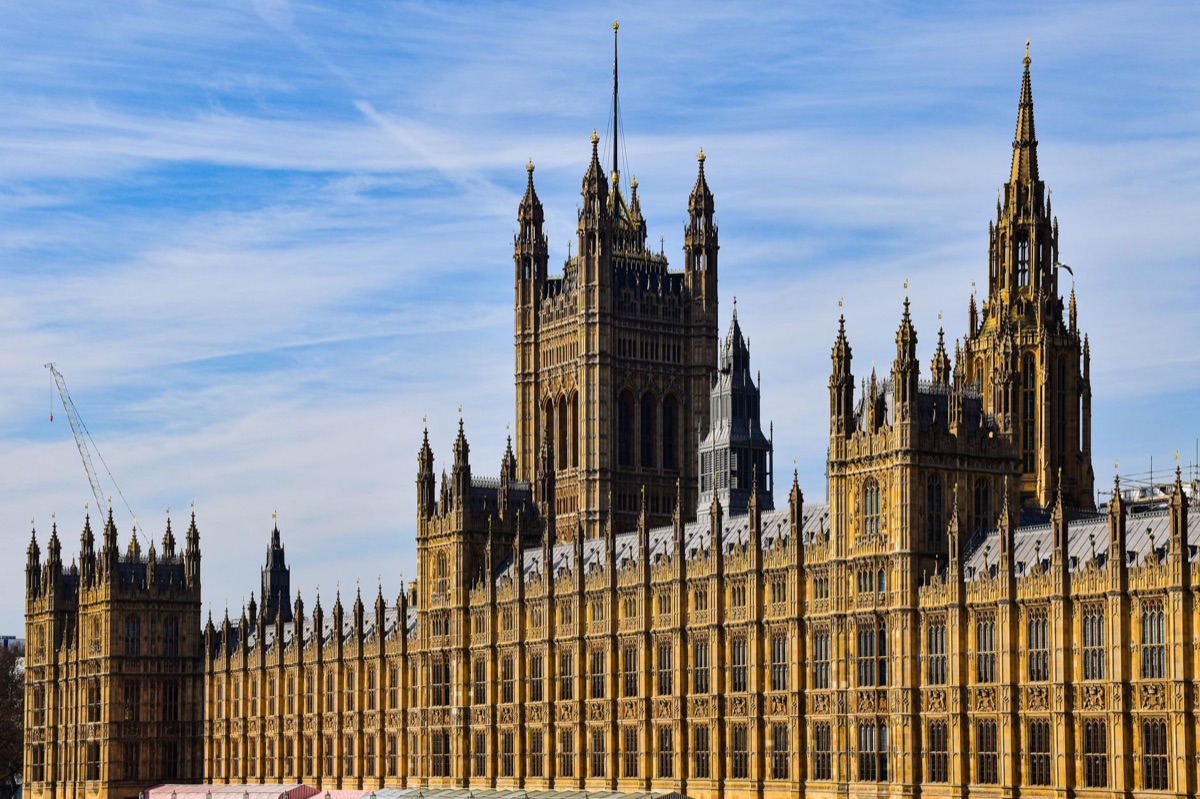
The sun sets over Westminster, casting long shadows over a parliament that is still processing the fallout of a vote that happened years ago. The debate is far from over; it has simply changed shape.
As reported by Leave the European Union, the 2016 electorate voted to leave with a majority of 1,269,501 votes.
The 2016 vote was a catalyst, not a conclusion. While the withdrawal was a specific legal process, the ideological divide it exposed remains a central feature of British life.
The tension between those who view the vote as a completed mission and those who see it as an ongoing struggle for national identity continues to drive political engagement.
The scale of this challenge is best understood by comparing it to the 1975 vote. While the 1975 result sought to maintain a status quo, the 2016 result sought to dismantle it.
This makes the current political landscape uniquely volatile, as the nation continues to navigate the waters of a post-EU reality. It is important to note that these shifts do not apply to all sectors equally; some industries faced much higher hurdles than others during the transition.
#




Comments 0