38.8% Vote Share: Reform UK's Local Groundswell in Action
"The old guard of British politics is facing a new kind of storm, one that doesn't just knock on the door but seeks to rebuild the house entirely."
The transition from the Brexit era to a permanent populist presence is reshaping the United Kingdom's political landscape. As traditional party structures struggle to adapt to a post-EU reality, Reform UK is positioning itself as the primary challenger to the status quo.
Key Takeaways: * The transition from Brexit-era populism to a permanent political force via Reform UK. * Nigel Farage’s leadership role in mobilizing voters and securing significant financial backing. * A measurable shift in local electoral strength serving as a precursor to national influence.
* Ongoing tension between populist movements and regulatory oversight in the UK.

How did Brexit set the stage for Reform UK's emergence?
A quiet evening in a London pub, where the conversation often turns to the lingering questions of sovereignty and identity, reflects the atmosphere of a nation still processing its exit from the European Union.
The clinking of glasses and the low hum of debate provide a backdrop to a political shift that began years ago.
For years, the political vacuum created by the 2020 withdrawal left a specific group of voters searching for a new purpose. The exit from the EU was not just a policy change; it was a seismic shift in the British psyche.
While the immediate goal of leaving the union was achieved, the "anti-establishment" sentiment that fueled the movement did not disappear. Instead, it evolved.
What began as a single-issue movement under the Brexit Party has morphed into a more structured political entity: Reform UK. This transition represents a shift from a momentary protest to a permanent political identity.
Voters who felt the traditional Conservative structures were no longer radical enough began looking for alternatives.
By moving from the Brexit Party to Reform UK, the leadership sought to broaden its scope beyond a single referendum, aiming to capture a wider swath of the right-wing vote.
This transition is critical because it suggests that the energy of 2016 was not a fluke, but a fundamental realignment of the British electorate. But as the party moves from protest to policy, a new set of challenges emerges.
What role does Nigel Farage play in the party's momentum?
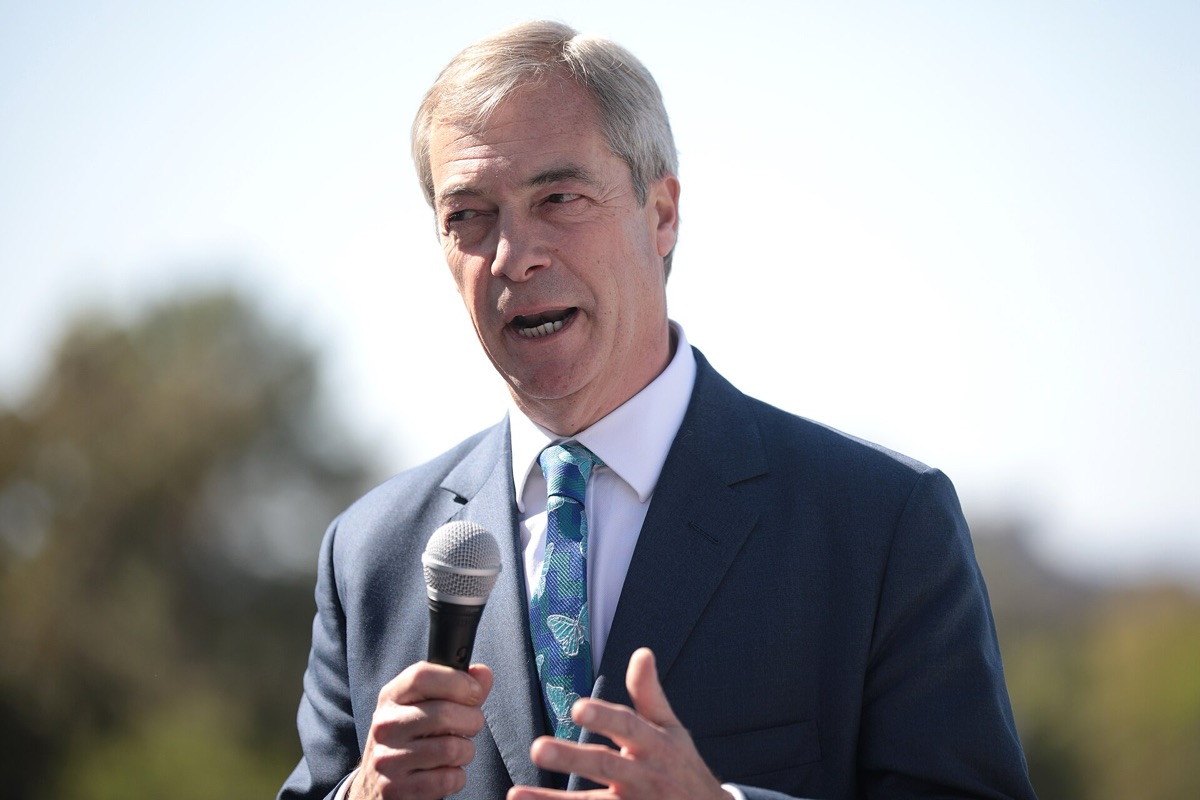
According to a Foreign Press Association speech reported by The Observer, Farage noted that he had received a total of £2 million in expenses during his ten years as a Member of the European Parliament.
This charisma is a central pillar of Reform UK's momentum.
His political history provides a deep well of experience for this current role. During his ten years as a Member of the European Parliament, he built a reputation as a disruptive force on the international stage.
In a 2009 speech to the Foreign Press Association, he noted that he had received a total of £2 million in staff, travel, and other expenses during his decade in the European Parliament.
While critics often point to such figures to question his motivations, his supporters see a leader who knows how to navigate—and challenge—the halls of power. The intersection of his personal brand and the party's growth is undeniable. For many, Reform UK *is* Farage.
This creates a powerful, centralized leadership that can mobilize voters quickly, but it also makes the party's fate heavily dependent on his personal popularity.
He has successfully managed the transition from European-level politics to a domestic focus, turning a transnational movement into a localized political engine. However, building an engine requires more than just a driver; it requires fuel.
How much influence is Reform UK gaining at the local level?
A ballot box sits on a wooden table in a community hall, representing the quiet but decisive moment when political theories meet reality. In the stillness of the hall, the weight of the paper ballot represents the changing tides of local governance.
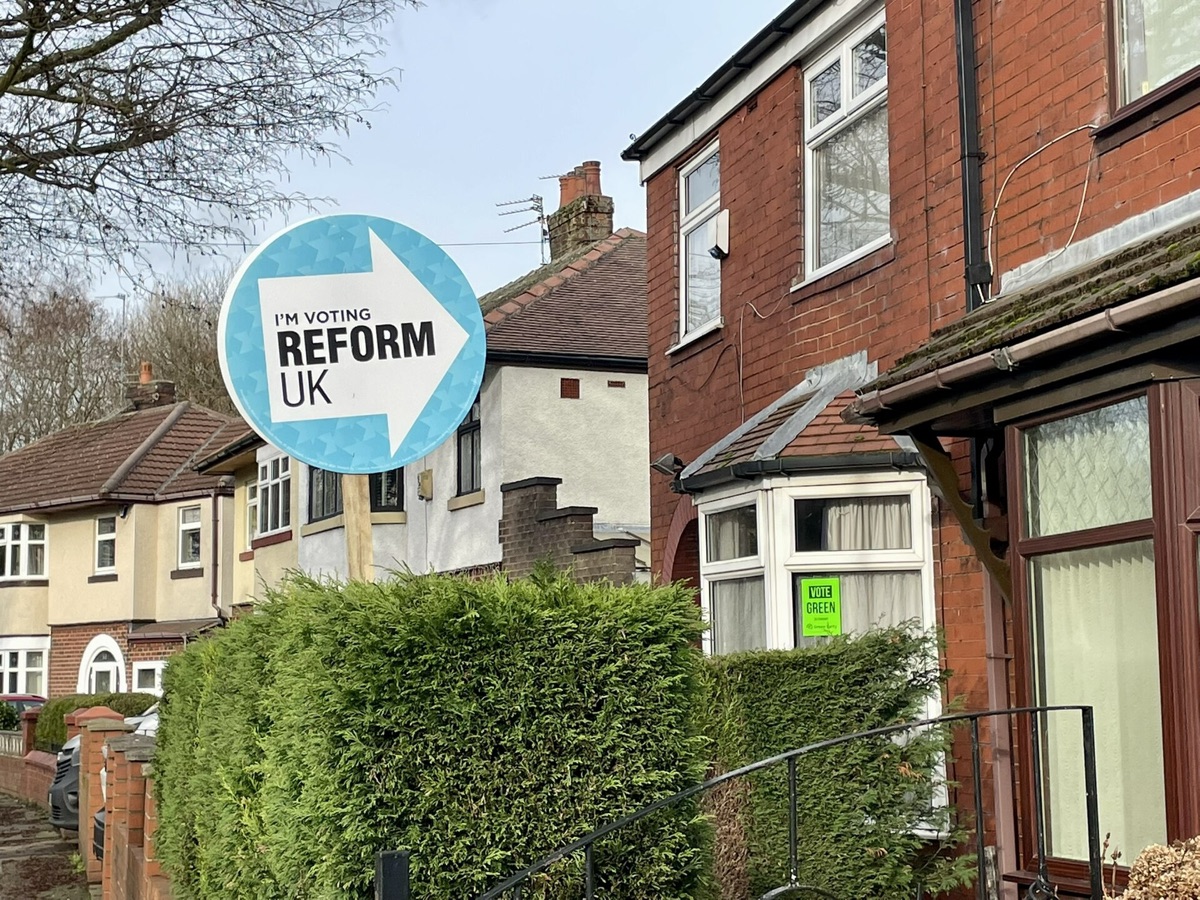
In the 2024 by-election for the Marton ward of Blackpool Council, Reform's vote share rose to 38.8%.
While national polls often grab the headlines, the real story of Reform UK's growth is found in the local election results. These small-scale victories provide a glimpse into how the party is penetrating traditional strongholds.
It is not just about winning; it is about the rate of growth within specific communities.
A clear example of this surge occurred in the Marton ward of Blackpool Council on October 3, 2024. In that local by-election, Reform UK saw its vote share jump from 9.5% in the 2023 election to 38.8%.
This massive increase demonstrates that the party is capable of capturing significant portions of the electorate in a very short timeframe.
Winning these local seats is a strategic necessity. It proves that the party can organize, run local campaigns, and win tangible representation.
By targeting specific demographic strongholds where traditional parties have faltered, Reform UK is building a foundation of local presence that could eventually threaten national dominance.
This rapid rise in vote share suggests that the party is no longer just a fringe group, but a legitimate contender in local governance. But as the party moves into the light of local office, the scrutiny of the law follows close behind.
How is the party being funded and regulated?
A heavy envelope of documents arrives at a regulatory office, marking the start of a meticulous audit of political finances. In the quiet of the office, the rustle of paper signals the beginning of a high-stakes investigation into where the money goes.
The Electoral Commission reported in December 2025 that Reform UK had received over £10 million in donations during the third quarter of 2025.
The scale of financial support behind Reform UK has reached levels that demand serious attention from both supporters and regulators. Political movements require significant capital to maintain staff, run digital campaigns, and organize local branches.
For a rising party, securing large-scale donations is essential for survival.
The financial backing has been substantial. In December 2025, the Electoral Commission reported that Reform UK had received over £10 million in donations during the third quarter of 2025 alone.
This influx of capital provides the fuel necessary for the party's rapid expansion and its ability to challenge the established political machinery.
However, this level of funding also brings increased scrutiny. The relationship between political funding and party growth is a delicate balance; too little, and the party stalls; too much, and it attracts intense regulatory and public scrutiny.
As the party grows, it must navigate the complexities of political spending laws while maintaining the transparency required to keep public trust.
The money provides the power, but the rules of the game provide the boundaries. And in the UK, those boundaries are often contested.
What are the tensions between Reform UK and regulatory oversight?
A government official walks through the doors of a political headquarters, clipboard in hand, as the atmosphere in the room shifts from casual to tense. The sudden presence of an outsider in a familiar space marks the moment where politics meets the rule of law.
The rise of a populist movement often leads to friction with the bodies designed to regulate political activity. In the UK, the Electoral Commission acts as the independent watchdog, ensuring that party funding and electoral processes remain within legal bounds.
For a disruptive party like Reform UK, these regulatory visits are often viewed through a political lens.
This tension is not new. In 2019, just two days before the European elections, a conflict arose when the Electoral Commission visited the Brexit Party headquarters for "active oversight and regulation" of party funding.
Farage reacted sharply, accusing the commission of "interfering in the electoral process."
This moment highlighted a fundamental disagreement: is regulatory oversight a necessary safeguard of democracy, or is it a tool used by the establishment to suppress new challengers? These clashes shape public perception.
To supporters, regulatory scrutiny can look like a "witch hunt" designed to stymie their momentum. To critics, it is a vital component of maintaining a fair playing field.
As Reform UK continues to grow, the tension between its disruptive mission and the requirements of legal oversight will likely remain a central theme in British politics.
Comparison of Political Shifts
| Feature | Traditional Conservative Model | Reform UK Model |
|---|---|---|
| Primary Focus | Governance & Stability | Disruption & Identity |
| Leadership Style | Institutional/Bureaucratic | Personality-Driven |
| Voter Base | Broad/Centrist-leaning | Targeted/Populist-leaning |
| Funding Source | Established Donor Networks | Rapidly Growing/Direct Donations |
Step-by-Step: The Path of Political Realignment
- The Catalyst: A major political event (like Brexit) creates a sense of dissatisfaction with the status quo.
- The Emergence: A new party forms to capture that specific energy, often led by a charismatic figure.
- The Local Test: The party runs in local by-elections to test its organizational strength and voter appeal.
- The Growth Phase: Success in local contests leads to increased funding and a broader national platform.
- The Institutional Challenge: The party moves from an outsider group to a significant player, facing direct regulatory and political friction.
#





Comments 0