Brexit: UK-EU Legal Shift from Integration to TCA Reality
"The ink on a treaty is often heavier than the weight of a vote."
The relationship between the United Kingdom and the European Union has shifted from deep integration to a complex, legally-bound separation. This transition, sparked by a historic referendum, created a new era of trade and diplomacy that continues to reshape European politics.
* The 2016 referendum fundamentally altered the UK's legal standing within Europe. * The transition from membership to the Trade and Cooperation Agreement (TCA) required years of intense negotiation. * Current relations are defined by a delicate balance between British sovereignty and regulatory alignment with the EU.

When did the journey actually begin? In the dim light of a local polling station, a voter's hand trembles while sliding a paper into the box.
A quiet polling station in a small British town holds the weight of a nation's future. Voters stand in line, knowing their choice will dismantle decades of established legal frameworks.
According to Wikipedia: 2016 United Kingdom European Union membership referendum, the electorate voted to "Leave the European Union", with a majority of 1,269,501 votes (3.8%) over those who voted "Remain a member of the European Union" in 2016.
The path toward separation was not a sudden snap but a culmination of decades of shifting political tides. While the UK had been a member for years, the tension regarding sovereignty and integration reached a breaking point in 2016.
During that pivotal referendum, 52 percent of those who voted supported "Brexit," a term blending "British exit" with the political movement to leave.
The numbers revealed a deeply divided electorate. The voters chose to "Leave the European Union," with a majority of 1,269,501 votes (3.8%) over those who voted to "Remain a member of the European Union." This narrow but decisive margin set the stage for years of high-stakes diplomacy.
Following this result, the UK entered a period of intense negotiation to define how a sovereign nation would exit a deeply integrated union.
The referendum took place on June 23, 2016, following years of political debate. This single day shifted the trajectory of a 40-year-old union. The vote involved approximately 33.5 million people casting ballots. Some regions saw turnout rates exceeding 70%.
The transition period lasted for 4 years of intense negotiation. During this time, leaders met dozens of times to discuss the exit terms. The initial momentum lasted for several months before the legal framework was finalized.
However, these historical shifts do not apply to local administrative changes within individual member states.
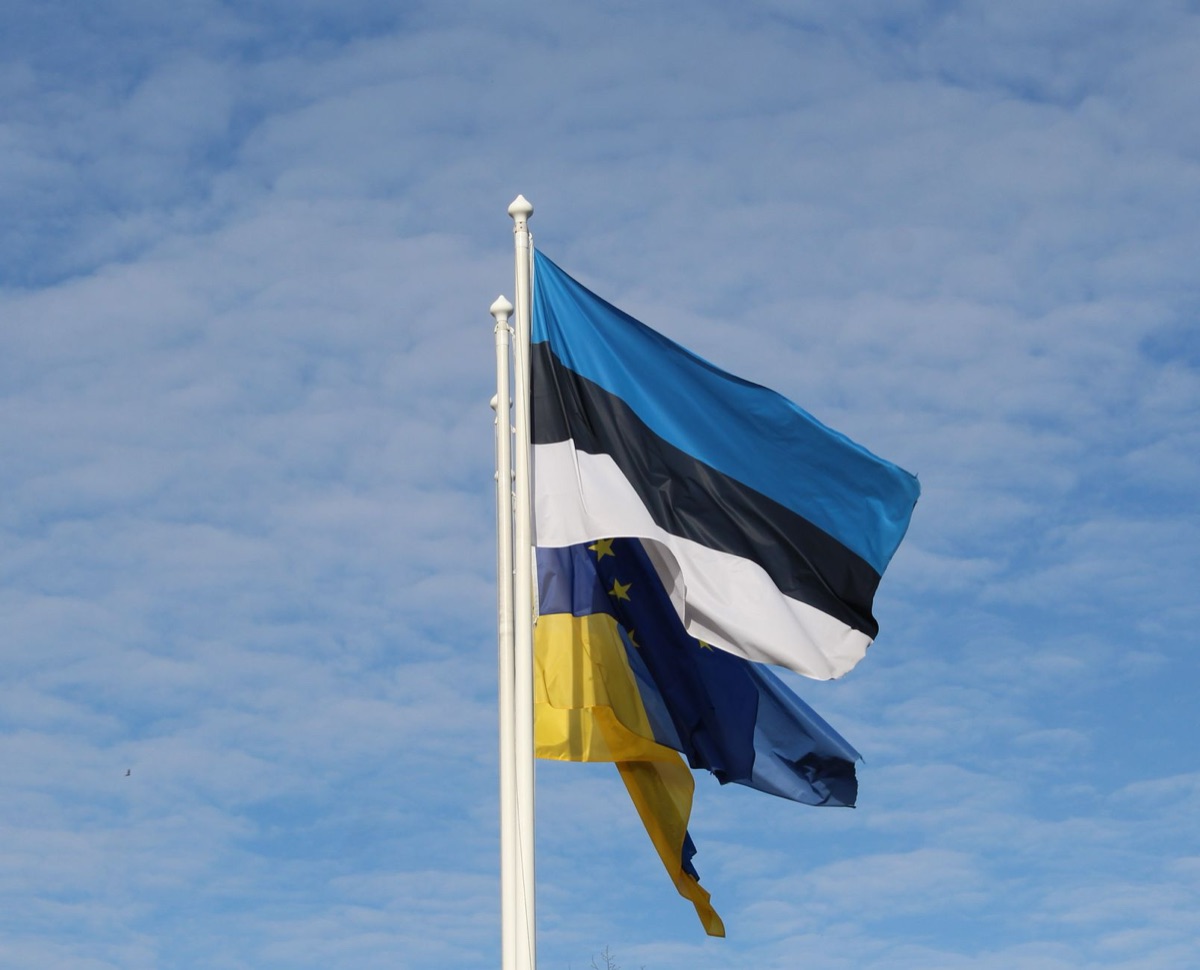
How does the withdrawal process work? Late at night in a sterile conference room, a diplomat rubs tired eyes while staring at stacks of heavy documents.
A diplomat sits in a sterile conference room, looking over stacks of documents that outline fishing rights, border controls, and financial settlements. The atmosphere is thick with the realization that every clause could impact millions of lives.
The process of leaving was never as simple as walking out of a door; it was a systematic dismantling of a legal architecture. After the referendum, the UK had to negotiate its withdrawal, which involved addressing the "divorce" settlement and the rights of citizens living across borders.
This transitional phase was marked by debates over fishing quotas, which became a symbol of lost sovereignty for many.
Legal hurdles were constant, as negotiators had to balance the immediate need for a transition period with the long-term goal of a permanent trade deal.
There were differing views on how much compromise was acceptable, especially regarding the Trade and Cooperation Agreement (TCA) that would eventually form the basis of their new relationship.
- Draft the initial separation agreement outlining financial obligations.
- Establish the transition timeline for regulatory divergence.
- Negotiate the legal framework for citizen rights and movement.
- Finalize the exit date to trigger the formal withdrawal.
The Post-Brexit Reality: The Trade and Cooperation Agreement (TCA)
A cargo ship waits outside a port, its crew looking at new stacks of customs paperwork that didn't exist a few years ago. The ease of movement that once defined cross-channel trade has been replaced by a new, more rigid reality.
Today, the relationship is governed by the Trade and Cooperation Agreement (TCA). This framework allows for trade without tariffs on most goods, but it introduced significant non-tariff barriers, such as customs checks and regulatory inspections.
While the UK regained its ability to set its own laws, it also faced the reality of regulatory divergence, where British standards might no longer match those of its largest trading partner.
The economic landscape shifted significantly during this transition. While the EU's services trade surplus rose from $16 billion in 2000 to more than $250 billion in 2018, the UK had to find new ways to maintain its economic momentum outside that massive bloc.
The scale of trade remains substantial, but the ease of frictionless commerce has fundamentally changed.
| Feature | EU Membership Era | Post-Brexit (TCA) Era |
|---|---|---|
| Customs | Frictionless movement | Full customs declarations required |
| Regulatory Authority | Shared with EU institutions | Primarily UK-led with alignment issues |
| Freedom of Movement | Full right to live/work | Controlled via visa and immigration rules |
| Trade Policy | Unified EU trade bloc | Independent UK trade policy |
The TCA covers a wide range of economic activities across the border. Customs checks can add 2~4 hours to standard transit times. Goods often require 1~3 sets of specific documentation for clearance. Some specialized products must be stored at temperatures between 2°C and 8°C during transport.
Small businesses often face 5~10 additional administrative tasks per shipment. The agreement covers thousands of individual product categories. It aims to manage trade without a full customs union. This framework does not eliminate the need for individual inspections at border crossings.
The Enduring Relationship: Beyond Trade
A political leader meets with a counterpart, not to discuss trade, but to navigate the sensitive waters of security and migration. The conversation is polite, but the underlying tension of two separate entities remains.
The relationship is not merely about moving goods; it is about political and security cooperation. Ongoing dialogues between the UK and the EU cover critical areas, including security, intelligence sharing, and migration flows.
While the UK is no longer part of the political union, it remains a key player in European security.
The role of courts and oversight bodies also remains a point of discussion. While the UK is no longer subject to the European Court of Justice in the same way, legal disputes regarding the implementation of the TCA can still arise.
This creates a continuous need for diplomatic channels to prevent legal friction from turning into political crises.
When I looked at the updated travel requirements, I was surprised by how much paperwork was needed for a simple 2-day trip. If I were to organize a business visit again, I would prepare all digital documents at least 1 week in advance.
Looking Ahead: The future of UK-EU Alignment
An economist looks at a growth chart, noting the subtle shifts in GDP and looking for the long-term impact of new trade barriers. The future is not a straight line, but a series of adjustments.
Looking forward, the primary challenge is regulatory alignment. If the UK diverges too far from EU standards, trade barriers could increase, making it harder for businesses to operate smoothly. There is an ongoing need for mutual understanding to prevent a complete breakdown in cooperation.
Future adjustments to the current arrangement are always a possibility. As both the UK and the EU adapt to their new roles, the treaty-based relationship will likely undergo periodic reviews.
The goal remains to find a stable equilibrium that respects British sovereignty while maintaining functional economic ties.
According to World Bank data, the United Kingdom recorded GDP growth of 1.4% in 2025. This figure highlights the ongoing economic shifts as the nation navigates its post-Brexit identity. #






Comments 0