GDP growth 1.4% EU UK trade deal analysis guide
"The landscape of international commerce has shifted, leaving behind old frameworks for a new reality of regulatory alignment and economic autonomy."
This shift affects everything from service sectors to goods movement, requiring businesses to navigate distinct legal boundaries. Key takeaways include the impact of varying growth rates, the complexities of regulatory shifts, and the necessity of managing new customs requirements.
How does the EU UK trade deal analysis shape economic stability?
At dusk, the economist stares at the glowing screen, tracing the jagged lines of economic growth with a trembling finger.
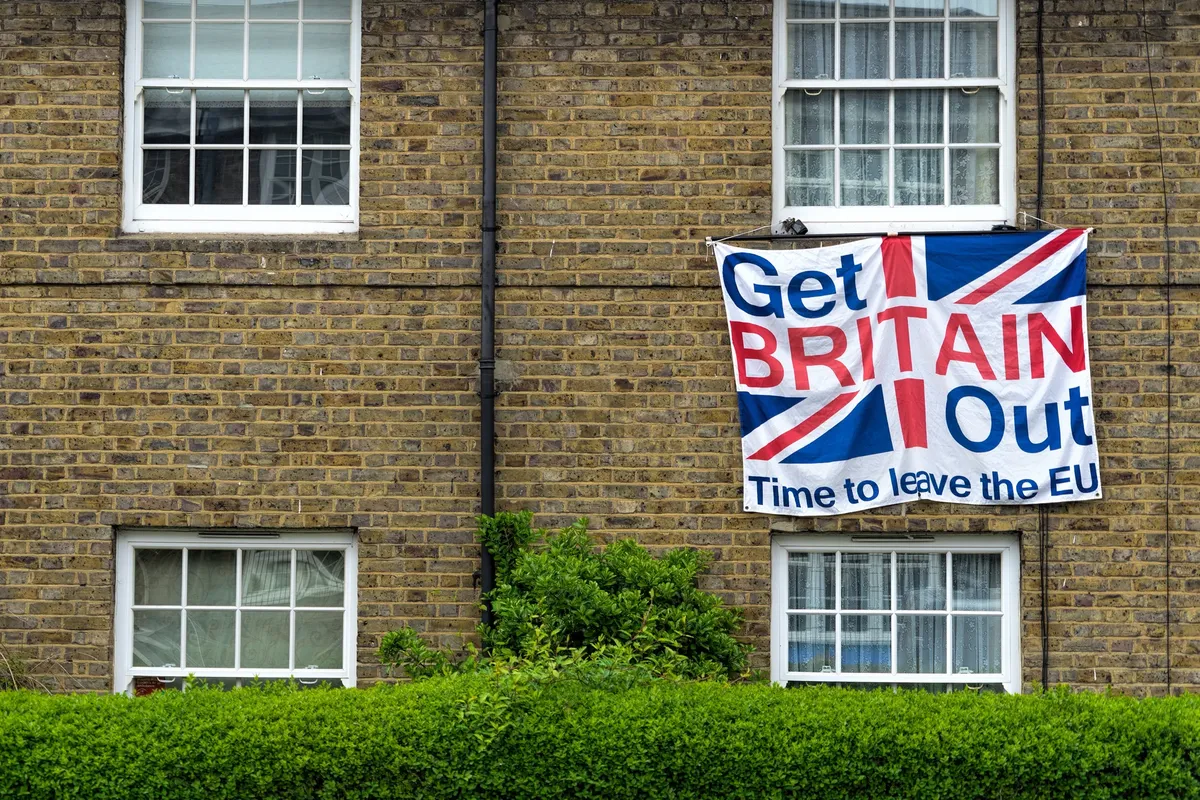
A customs officer marks a shipping container, noting the different paperwork required for goods moving across the border. This routine task now reflects the broader complexities of the post-Brexit era.
The EU UK trade deal analysis reveals a landscape where economic performance varies significantly. According to World Bank data, the United Kingdom recorded GDP growth of 1.4% in 2025.
This historical context of growth helps illustrate the shifting economic tides following the formal separation from the single market.
In the current environment, understanding the nuances of the agreement is essential for long-term planning. The transition requires constant monitoring of legal changes and trade barriers.
Analyzing the specific terms helps stakeholders prepare for fluctuations in market access and regulatory requirements.
However, the effectiveness of these stability measures may be limited during periods of extreme geopolitical volatility.
What are the implications of Brexit trade agreement terms on growth?
At midnight, the analyst rubs her tired eyes while staring at the fluctuating lines of economic growth on her computer screen.
An economist reviews a spreadsheet of annual growth figures, comparing the trajectories of different nations. The flickering light of the monitor illuminates the data points of a changing world.
The Brexit trade agreement terms have created unique economic trajectories for the involved parties. According to the International Monetary Fund (IMF), the United Kingdom recorded real GDP growth of 1.3% in 2026.

These figures provide a snapshot of how the economy has adjusted to the new trade environment.
Businesses must account for these shifts when making investment decisions. The divergence in economic momentum can influence supply chain strategies and pricing models. Navigating these terms requires a clear understanding of how much autonomy or restriction is being applied to specific sectors.
Nevertheless, the positive impact on growth remains contingent on the ability to mitigate increased administrative costs.
How is Post-Brexit UK EU trade affecting the services sector?
A professional consultant sits in a quiet office, reviewing digital contracts between different jurisdictions. The steady hum of the air conditioner is the only sound in the room.
The Post-Brexit UK EU trade environment presents unique challenges for service providers who previously enjoyed seamless movement. While goods face physical border checks, services deal with complex regulatory equivalence and professional qualification recognition.
The scale of service trade remains a significant factor in global economics. For instance, the European Union's services trade surplus rose from $16 billion in 2000 to more than $250 billion in 2018.
This massive growth in the EU sector underscores the importance of service-based trade in the modern era.
However, these effects do not apply to sectors that operate entirely within domestic regulatory boundaries.
According to International Monetary Fund, the 2026 record includes 1.3%.
What defines the EU UK legal framework in practice?

A lawyer examines a thick binder of legal texts, highlighting clauses that dictate cross-border data flows. The scent of aged paper fills the workspace.
The EU UK legal framework serves as the foundation for all bilateral interactions, establishing the rules for dispute resolution and regulatory standards. This framework aims to manage the tension between sovereignty and the need for cooperation.
Maintaining compliance within this legal structure is a constant requirement for multinational firms. Legal frameworks often involve complex negotiations to ensure that both parties' interests are represented. The stability of these rules determines the predictability of the trade environment.
However, the practical application of these rules may vary depending on specific jurisdictional interpretations.
How can businesses manage New trade rules UK EU?
A logistics manager checks a digital dashboard, tracking the movement of goods through a busy port. The distant sound of a ship's horn echoes through the terminal.
Managing new trade rules UK EU requires meticulous attention to detail regarding origin certificates and sanitary controls. Companies must adapt their internal processes to meet the specific documentation requirements of both the UK and the EU.
Effective management involves several key steps: 1. Update customs documentation processes to reflect current tariff schedules. 2. Re-evaluate supply chain routes to minimize delays at border crossings. 3. Conduct regular audits of compliance with new regulatory standards.
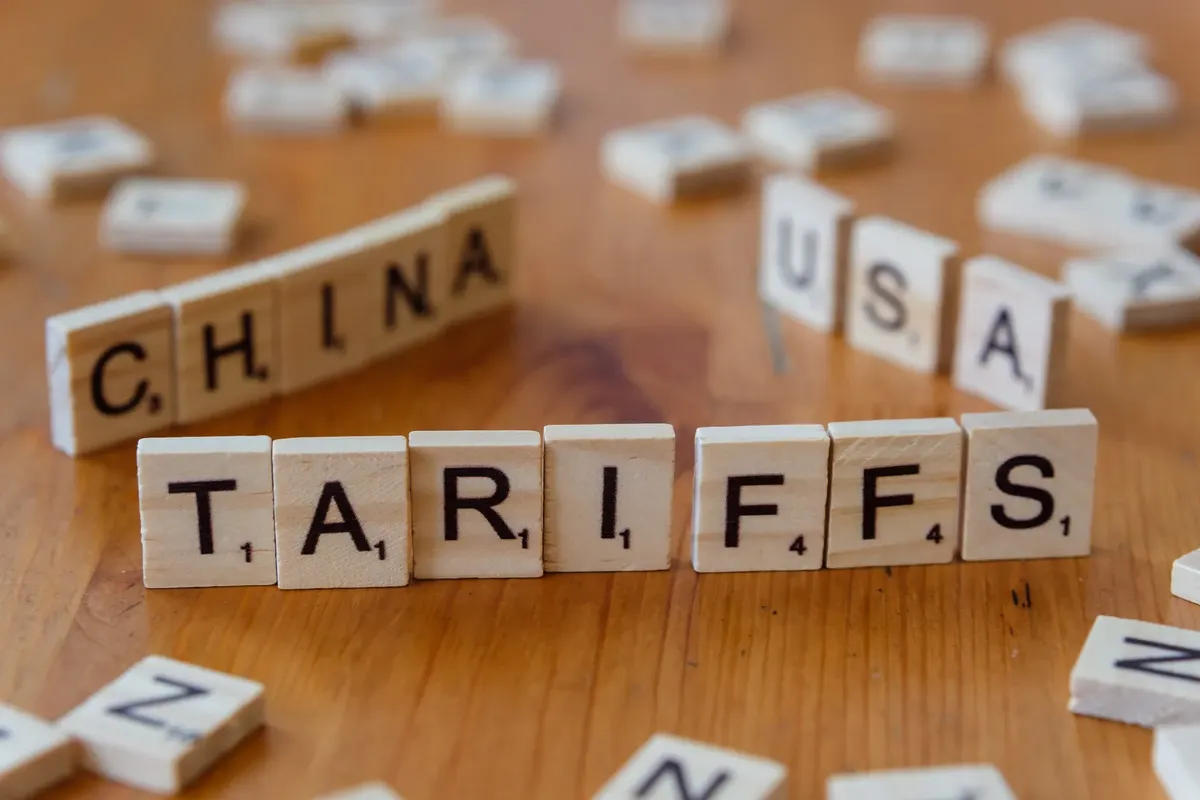
After implementing these changes, a final check of all paperwork ensures that shipments are not held at customs. I found that adjusting our internal tracking to match these new protocols saved significant time during the transition.
The scope of this analysis is limited to the economic and legal shifts documented in recent growth data and trade statistics.
- Monitor changes in regulatory requirements.
- Update internal compliance protocols.
- Adjust supply chain logistics to meet new standards.
This part also covers Impact of trade deal on UK.
This part also covers EU UK relationship changes.
This part also covers Analyzing withdrawal agreement.
Impact of trade deal on UK
Related
- UK passport color history: Why appearance changed over time
- Wired UK editorial history: Why industry awards matter
How does the landscape of international commerce reflect regulatory divergence?
The landscape of international commerce demonstrates a clear divergence as businesses adapt to distinct legal boundaries. The shift from deep integration necessitates that companies manage varying growth rates across the involved economies.
This new reality requires stakeholders to constantly monitor legal changes impacting their operations.
- Businesses must account for the divergence in economic momentum when planning investment decisions. 2. The complexities of regulatory shifts demand continuous review of trade barriers. 3. Navigating these distinct legal boundaries requires understanding the specific terms of the cooperation framework.
However, the degree of divergence does not necessarily result in immediate trade disruptions.
What cautions surround the shift in trade frameworks?
Businesses must exercise caution when interpreting the nuances of the agreement, as misinterpretation can lead to customs delays. The transition demands meticulous attention to detail regarding documentation requirements for goods movement.
Furthermore, the stability of the legal framework dictates the predictability of the entire international commerce landscape.






Comments 0