Brexit UK current issues: 52 percent supported vote
"The 2016 referendum changed the trajectory of British politics, setting a complex path of negotiation and economic adjustment in motion."
The UK's departure from the European Union remains a transformative period defined by shifting trade relationships and political realignment. This overview examines the economic growth, trade demands, and political inquiries that followed the initial vote to leave the union.

Key takeaways: 1. The 2016 referendum resulted in a 52 percent support for Brexit. * In 2025, the United Kingdom recorded a GDP growth of 1.4% according to World Bank data. * Labor groups have called for closer EU ties to address trade barriers and standards.
How did the initial Brexit vote shape the nation?
A ballot box in a quiet polling station represents the moment the course of the country shifted.
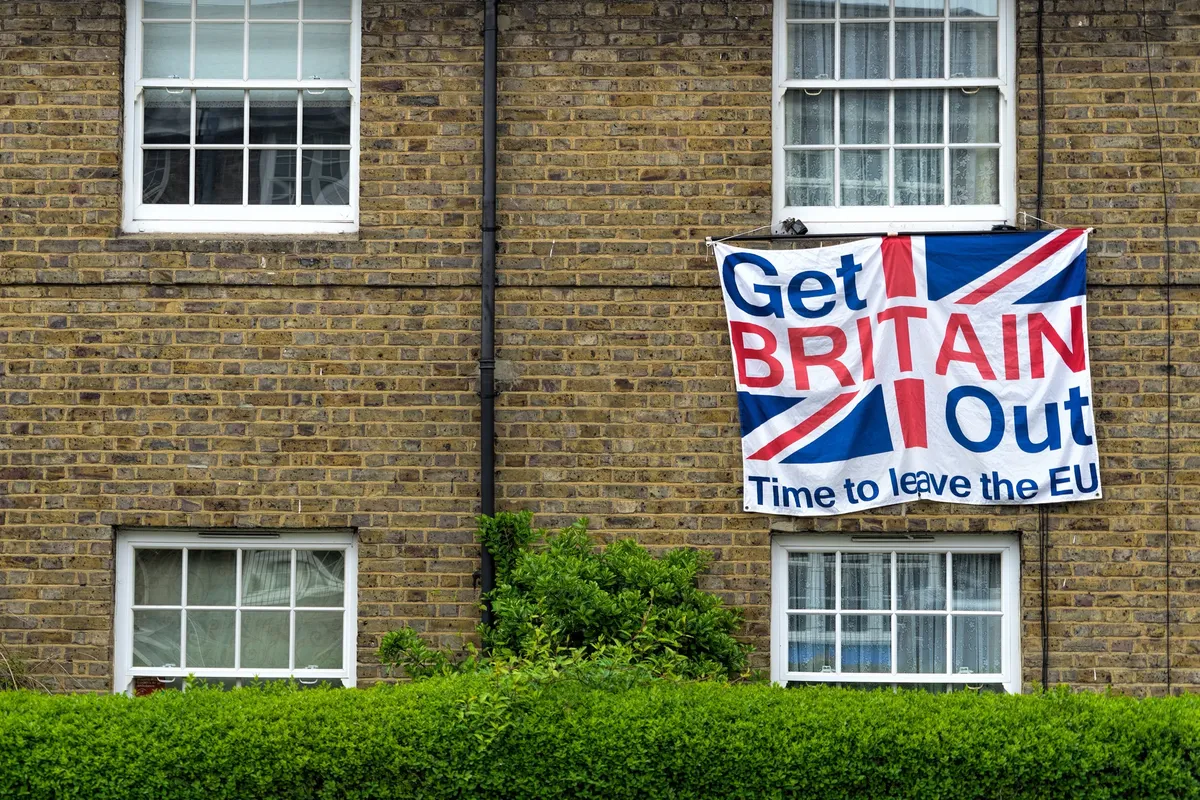
Following the result of the 2016 United Kingdom European Union membership referendum, when 52 percent of those who voted supported 'Brexit' (a blend of "British exit"), the UK negotiated its withdrawal from the European Union.
This decision initiated a long period of negotiation regarding sovereignty and trade. The political fallout from this vote continues to influence domestic policy and international standing.
What are the economic implications of Brexit UK current issues?
At sunset in the London office, a businessman rubs his tired eyes while staring at the economic shifts caused by brexit.
A businessman reviewing quarterly reports in a London office observes the shifting economic landscape. According to World Bank data, the United Kingdom recorded GDP growth of 1.4% in 2025.
The economic landscape remains influenced by the decision to exit the single market. Managing these shifts requires balancing domestic growth with international trade complexities.
How did the UK relationship changes affect trade?
A shipping container being loaded onto a vessel at a busy port illustrates the movement of goods across borders.
In March 2025, the Trades Union Congress called for a closer relationship with the EU, in order to reduce trade barriers and border checks and bring closer alignment of chemical and food standards.
The push for alignment highlights the friction caused by new border protocols. Addressing these hurdles is a central focus for labor organizations and trade specialists.
What political scrutiny followed the referendum?
A parliamentary committee room sits silent after a heated debate on election integrity.
In February 2019, the parliamentary Digital, Culture, Media and Sport Committee called for an inquiry into "foreign influence, disinformation, funding, voter manipulation, and the sharing of data" in the Brexit vote.
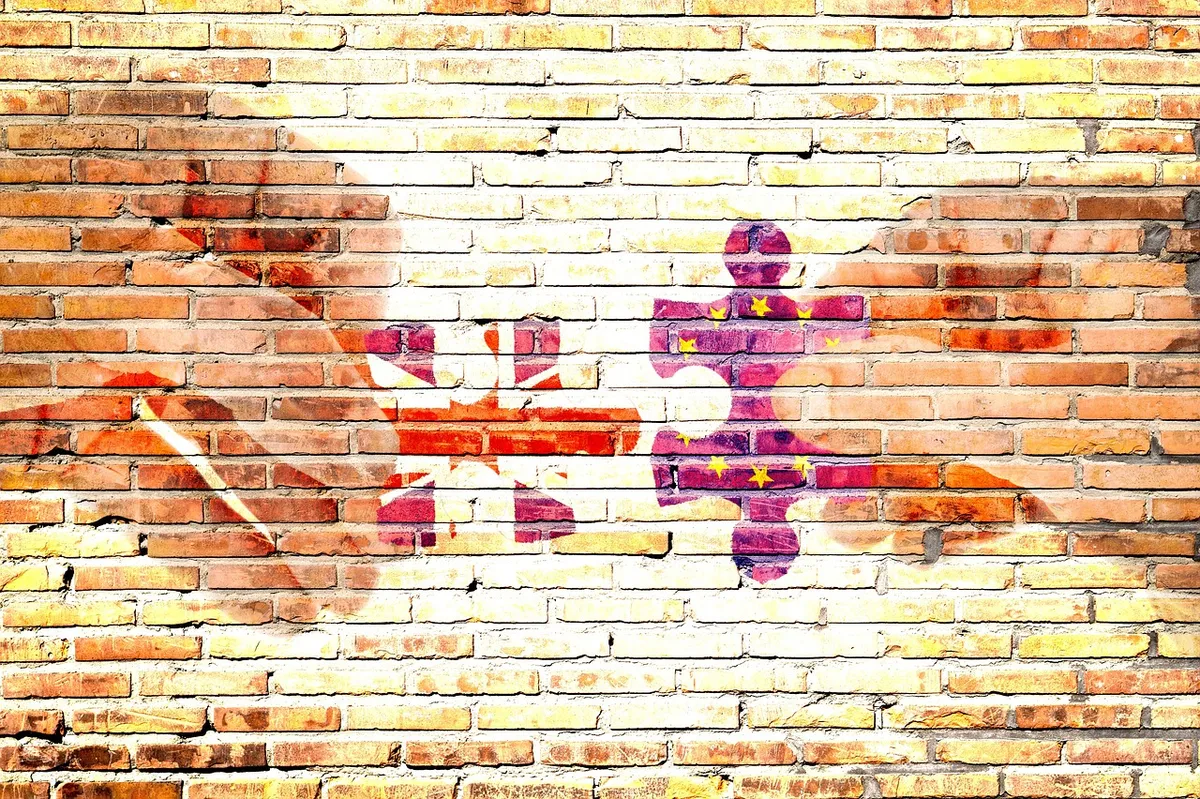
This inquiry sought to understand the external factors that shaped the electorate's decision. The questions of transparency and influence remain part of the UK post Brexit politics.
How does the British economy EU ties balance with domestic interests?
A policymaker sits at a desk, weighing the pros and cons of various trade agreements. The intersection of sovereignty and economic stability creates a constant tension in legislative halls.
The desire to maintain independent trade policies often clashes with the practicalities of being a major trading partner to the continent. This tension defines the current era of British economic strategy.
What was the role of the Monarchy Brexit impact?
A royal official reviews diplomatic documents, noting the subtle shifts in international ceremonial roles. While the monarchy remains a symbol of stability, the political landscape around it has undergone significant upheaval.
The intersection of traditional institutions and modern political shifts provides a unique backdrop to the nation's transition. This relationship remains a constant even as external ties evolve.
- How did the initial Brexit vote shape the nation?
- What are the economic implications of Brexit UK current issues?
- How did the UK relationship changes affect trade?
The subject here is Brexit UK current issues.
The same subject is also called UK EU relationship changes.
This part also covers Brexit political fallout.
This part also covers UK economic challenges.
This part also covers Royal family EU role.
Brexit political fallout
Related
- UK long term trade talks: Managing 1.4% GDP growth
- Trade barrier talks: Understanding UK EU trade barrier talks
What are the ongoing political tensions surrounding the referendum?
The political fallout from the 2016 referendum continues to influence domestic policy and international standing. Labor groups have called for closer EU ties to address trade barriers and standards, indicating persistent political disagreement. The inquiry into the referendum's integrity suggests that questions of influence remain relevant in the current political climate.
The negotiation process following the referendum involved complex considerations of sovereignty and trade. This complex path of negotiation and economic adjustment was set in motion by the 2016 referendum. The political realignment stemming from the vote shapes how the UK interacts with its international partners.
How do trade demands reflect the referendum's impact?
Labor groups advocate for a closer relationship with the EU to mitigate trade barriers and align standards. This demand directly reflects the economic adjustments necessitated by the referendum. The friction caused by new border protocols underscores the challenges in managing trade post-referendum.





Comments 0