Trade barrier talks: Understanding UK EU trade barrier talks
"The landscape of international commerce is shifting as nations navigate the complexities of post-departure agreements and new regulatory frameworks."
Negotiations to ease UK EU trade barrier talks have emerged as a central focus for policymakers seeking to stabilize economic relations. This discussion aims to address friction caused by new customs requirements and regulatory differences while maintaining sovereignty.
Key takeaways include the ongoing management of technical barriers, the necessity of visa compliance for long-term stays, and the historical context of economic growth.
How are UK EU trade barrier talks shaping the economy?
A diplomat sits at a heavy oak desk, reviewing documents that outline the shifting tides of European commerce. The pursuit of smoother trade flows requires addressing the friction introduced by new customs protocols and regulatory divergence.

The current focus on UK EU trade barrier talks involves managing the complexities of the Trade and Cooperation Agreement. These discussions aim to mitigate the costs of moving goods and services across borders.
Addressing these hurdles is essential for maintaining stable supply chains and predictable business environments.
The economic context provides a backdrop for these negotiations. This growth suggests a level of resilience as the nation adjusts to its independent trade posture.
The momentum of these talks is driven by the need for long-term stability. Understanding the nuances of trade friction is the first step in building a more cohesive economic future.
Ongoing discussions aim to stabilize market volatility and provide businesses with the predictability necessary for long-term capital investment.
What does Brexit trade friction easing look like in practice?
At dawn, a weary worker wipes sweat from their brow while watching a heavy truck glide smoothly through the gate, signaling a more fluid trade process.
A customs officer stamps a digital manifest, checking the validity of a shipment crossing the English Channel. The process of easing friction involves aligning technical standards to prevent repetitive inspections.
The concept of Brexit trade friction easing involves reducing the administrative burden on businesses. This often requires harmonizing technical specifications to ensure that products meet the requirements of both the UK and the EU.
Such efforts aim to prevent the costly delays that often occur at border crossings.
Regulatory alignment plays a significant role in these efforts. There are provisions intended to limit technical barriers to trade (TBT), building on the WTO TBT Agreement. These provisions serve as a foundation for managing product standards and testing requirements.
By addressing these specific bottlenecks, negotiators hope to foster a more seamless exchange of goods. The goal is to move toward a system where trade is less interrupted by sudden regulatory shifts.

In practice, this involves streamlining digital documentation, harmonizing technical standards, and reducing the frequency of physical inspections at border crossings.
Are UK EU customs talks addressing movement of people?
A traveler stands in a busy terminal, checking their passport against the requirements for their upcoming journey. While goods move through ports, the movement of people remains a critical component of trade discussions.
The scope of UK EU customs talks often intersects with the movement of labor and services. While trade in goods is a primary focus, the ability of professionals to work across borders is equally vital.
This requires clear rules on visas and residency to ensure that service-based industries can operate effectively.
Visa regulations are a key factor in these discussions. Visitors planning stays of more than 90 days in any 180-day period need a visa; those planning any work other than routine business meetings and conferences need an appropriate visa.
These rules define the boundaries of mobility for professionals.
Managing these human elements is as complex as managing physical goods. Success in trade negotiations often depends on how well these mobility rules are integrated into the broader economic framework.
While customs discussions focus primarily on goods, the administrative processes for professional mobility and service delivery remain closely linked to trade facilitation.
How can reducing trade barriers UK foster growth?
An entrepreneur examines a new piece of machinery, considering the cost of importing it from a neighboring country. The ambition to foster growth through trade depends on the ease of moving capital and technology.
The strategy of reducing trade barriers UK involves creating a predictable environment for investment. By minimizing non-tariff barriers, such as redundant inspections or conflicting labeling requirements, the cost of doing business decreases.
This can lead to increased trade volumes and greater economic integration.
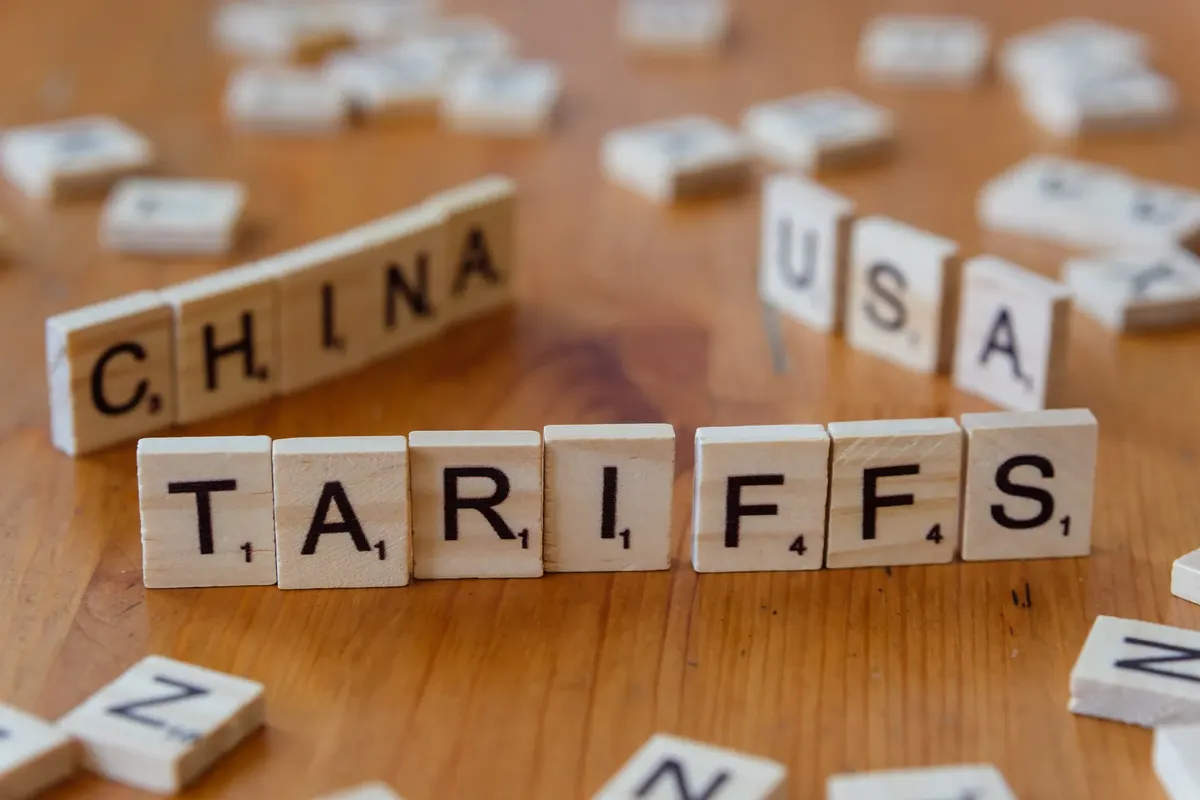
Economic stability is a primary driver for these efforts. According to the International Monetary Fund (IMF), the United Kingdom recorded real GDP growth of 1.3% in 2026. Sustaining this momentum requires addressing the friction that can act as a drag on growth.
The continuous effort to refine trade rules is necessary for economic health. A more efficient trade environment allows businesses to focus on innovation rather than paperwork.
Lowering trade barriers can stimulate growth by reducing operational costs for exporters and increasing the variety of goods available to consumers.
What is the future of UK international trade?
A strategist maps out global shipping routes on a digital screen, looking toward new markets and established partners. Determining the future of UK international trade involves balancing new global opportunities with existing regional ties.
The future of UK international trade is being shaped by the dual pursuit of global reach and regional stability. While the UK seeks to expand its trade footprint worldwide, maintaining efficient access to European markets remains a priority.
This requires a sophisticated approach to managing multiple sets of rules.
Building a robust trade network requires careful planning. The ability to navigate various trade agreements and standards will define the nation's economic trajectory.
As the global landscape changes, the ability to adapt to various regulatory environments will be crucial. The focus remains on creating a versatile and resilient trade infrastructure.
The future depends on balancing regional cooperation with the pursuit of new global trade agreements to diversify supply chains.
How can we navigate easing trade hurdles after Brexit?
A logistics manager coordinates a fleet of trucks, ensuring that every shipment adheres to the latest documentation requirements. Navigating these hurdles requires a clear understanding of the rules and a proactive approach to compliance.
The process of easing trade hurdles after Brexit involves continuous engagement with regulatory bodies. Businesses must stay informed about changes in customs procedures, product standards, and visa requirements. This proactive stance helps prevent disruptions to the supply chain.
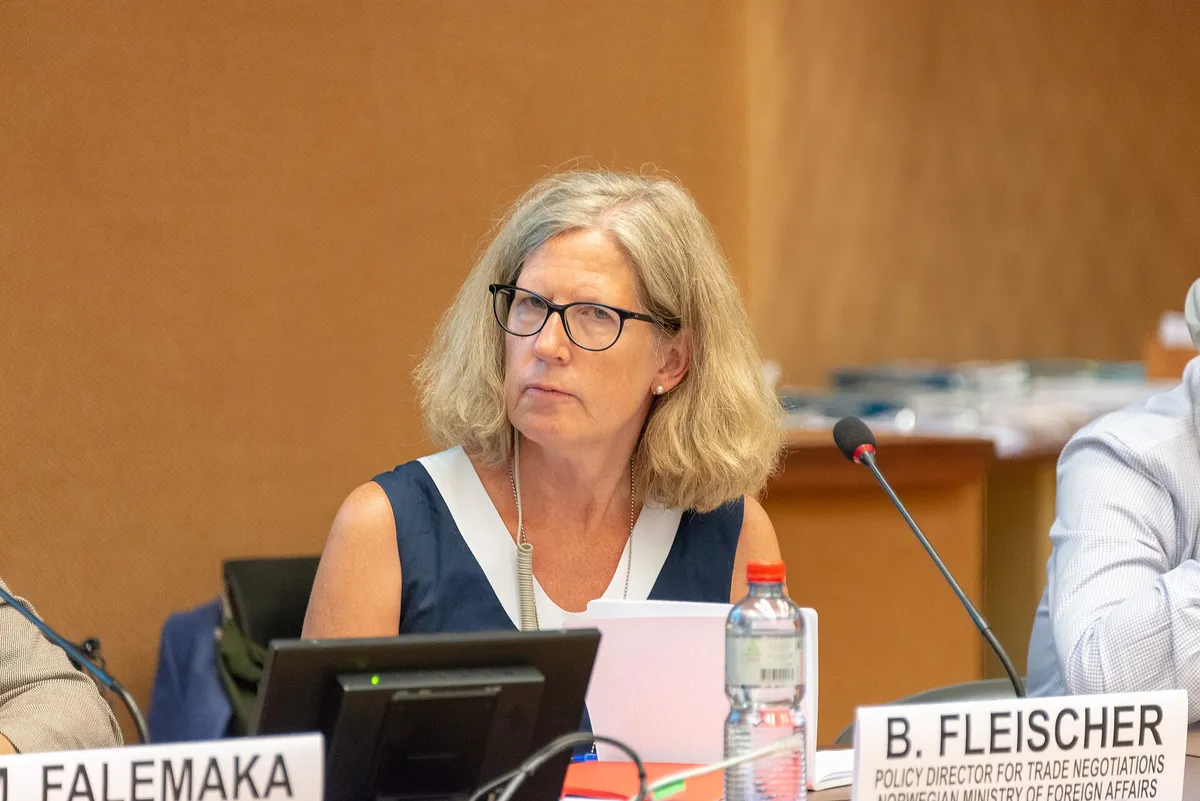
Effective management involves several key actions: 1. Monitor regulatory changes in both the UK and the EU to anticipate shifts in requirements. 2. Ensure all documentation for goods and personnel is strictly compliant with current laws. 3.
Invest in digital tools to automate customs processes and reduce manual errors.
I found that staying updated on these specific requirements is the most effective way to manage daily operations. A final check of all compliance documents before shipment can prevent significant delays at the border.
A limitation exists in that these discussions are often subject to the political climate and the specific needs of different sectors.
To navigate these changes effectively, businesses should follow these steps: 1. Audit current supply chain documentation to ensure compliance with updated rules. 2. Implement digital customs management tools to speed up clearance processes. 3. Diversify supplier networks to mitigate risks from localized trade disruptions.
Related





Comments 0