UK-EU Trade: Navigating the Post-Brexit TCA Framework
"The relationship between the United Kingdom and the European Union is no longer defined by shared membership, but by a complex, negotiated architecture of trade and political alignment."
The post-Brexit era has shifted the UK-EU dynamic from deep integration to a managed distance. While the political ties have been severed, the economic reality remains one of profound interdependence.
* The Trade and Cooperation Agreement (TCA) acts as the operational backbone of the current relationship. * Navigating this new era requires constant management of regulatory divergence and trade friction. * The relationship remains dynamic, balancing sovereign autonomy against deep economic necessity.

How Did the Journey to Brexit Begin?
A quiet polling station in a small British town in 2016 felt worlds away from the high-stakes negotiations in Brussels that would follow. Voters stood in line, casting ballots that would fundamentally alter the map of Europe.
According to the United Kingdom European Union, 52 percent of those who voted in the 2016 referendum supported Brexit.
The catalyst for this shift was the 2016 United Kingdom European Union membership referendum. During that vote, 52 percent of those who participated supported "Brexit," a term blending "British exit" with the desire to leave the union.
The decision was decisive, with a majority of 1,269,501 votes choosing to "Leave the European Union" over those who voted to "Remain a member of the European Union."
This initial sentiment set off a years-long period of intense negotiation. While the referendum provided a clear mandate, translating that mandate into a functioning withdrawal treaty proved incredibly difficult.
The transition from a member state to a third-party neighbor required moving from a framework of shared laws to a framework of negotiated treaties.
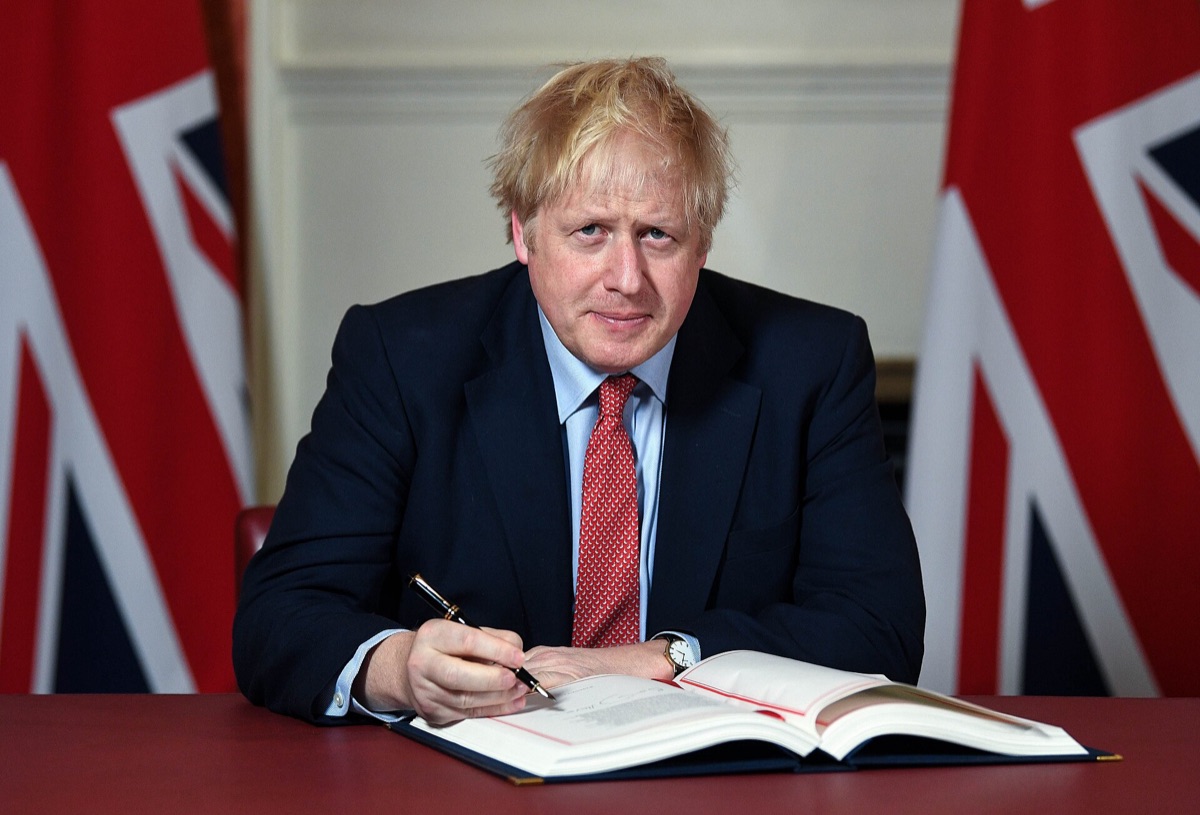
How does the post-Brexit trade deal actually work? Late at night in a dim Brussels office, a diplomat brushed a hand over a stack of heavy papers as the cold wind rattled the windowpane.
A thick stack of legal documents sat on a mahogany table in Brussels, representing the culmination of years of tension. This wasn't just paperwork; it was the new blueprint for how goods would cross the English Channel.
As reported by the Foreign Press Association, Nigel Farage stated he had received £2 million in expenses over ten years as a Member of the European Parliament.
The Trade and Cooperation Agreement (TCA) serves as the current operational framework between the two entities. Unlike the previous era of frictionless trade, the TCA governs a relationship where the UK is a sovereign entity outside the EU's customs union and single market.
This change introduced new complexities for the movement of goods.
Under this arrangement, businesses must now navigate customs checks, rules of origin requirements, and regulatory hurdles that did not exist when the UK was a member. While the TCA prevents tariffs on most goods, it does not eliminate the administrative burden of border controls.
The tension now lies in how much the UK chooses to align its regulations with the EU to ease trade, versus how much it diverges to assert its independence.
How much do trade flows and migration affect each other? An empty cargo ship docks at a quiet port, its hull bearing the marks of a much busier era. The scale of trade that once flowed seamlessly now encounters the reality of new borders. The electorate voted to Leave the European Union with a majority of 1,269,501 votes in 2016.
The economic weight of the relationship is massive, even as political ties have shifted. To understand the scale of what was being negotiated, one can look at the historical growth of trade within the bloc.
For instance, the European Union's services trade surplus rose from $16 billion in 2000 to more than $250 billion in 2018. This massive volume of trade makes any disruption to the UK-EU relationship a matter of global economic significance.
The 2016 referendum results, which saw a 3.8% majority for "Leave," created a new reality for trade flows. While political separation is complete, the economic interdependence remains.
The challenge for policymakers is managing the friction created by this separation while maintaining the volume of trade that sustains both economies.

The Political Spectrum: Voices During the Transition
A veteran politician stands before a microphone, recounting years of debate and the costs of political life. The voices of the past continue to echo in the halls of Westminster and Brussels.
The transition was marked by sharp political divides. During the debate over membership, figures like Nigel Farage often highlighted the costs of being part of the union.
In May 2009, The Observer reported a Foreign Press Association speech where Farage stated that over his ten years as a Member of the European Parliament, he had received a total of £2 million in staff, travel, and other expenses.
Such claims were central to the argument that the UK's contributions to the EU were disproportionate.
These political perspectives shaped the public's understanding of sovereignty and cost. While some saw the exit as a liberation from bureaucratic overreach, others viewed it as a disruption to stability.
The final agreement was not a perfect resolution for any side, but a pragmatic compromise that allowed for a functioning, if complicated, relationship.
| Feature | Pre-Brexit Relationship | Post-Brexit (TCA) Relationship |
|---|---|---|
| Legal Framework | EU Law Supremacy | Negotiated Treaty (TCA) |
| Customs | No border checks | Full customs declarations |
| Movement of People | Freedom of movement | Visa-based/Regulated entry |
| Regulatory Control | Shared EU standards | National sovereignty with alignment |
Looking Ahead: Future Scenarios and Interdependence
A strategist looks out over a digital map of Europe, tracing the lines of trade and political influence. The future is not a fixed point, but a series of choices regarding cooperation and divergence.
The relationship is far from settled. It will continue to evolve based on how much regulatory divergence occurs. If the UK moves too far from EU standards, trade friction will increase. If it stays too close, it may lose the very sovereignty it sought to regain.
The future depends on two main factors: 1. Regulatory Divergence: How much the UK changes its laws compared to the EU. 2. Security and Cooperation: How much the two entities cooperate on shared threats like defense and intelligence.
The tension between autonomy and ease of trade is the defining characteristic of this new era. #





Comments 0