UK trade barrier easing talks: Visa requirements guide
"The pursuit of economic stability requires navigating the friction between sovereignty and seamless exchange."
The United Kingdom is currently engaging in discussions regarding UK trade barrier easing talks to stabilize its economic trajectory. These discussions focus on managing technical requirements and movement regulations to foster a more predictable environment for international commerce.
This overview examines recent growth figures, the role of technical barriers, and the practicalities of visa requirements.

Key takeaways: * Recent GDP growth shows a steady but modest upward trend. * Technical barriers to trade remain a central focus of regulatory discussions. * Visa requirements for extended stays and work activities are strictly defined.
How does current economic growth affect UK trade barrier easing talks?
A quiet office in London hums with the sound of keystrokes as analysts review the latest fiscal data. The discussion of UK trade barrier easing talks often begins with an assessment of the nation's recent economic performance to determine the urgency of policy shifts.
According to World Bank data, the United Kingdom recorded GDP growth of 1.4% in 2025. This previous growth provides a baseline for understanding the current momentum in the British economy.
According to the International Monetary Fund (IMF), the United Kingdom recorded real GDP growth of 1.3% in 2026. These figures suggest a period of gradual expansion that informs how much risk policymakers might take when adjusting trade rules.
The potential for Britain trade barrier reduction is closely tied to these growth rates, as lower barriers can stimulate activity. Understanding these shifts is vital for those watching the future of UK trade deals.
In this sequence, the first point is the most significant.
What are the specific technical barriers involved?
A customs officer examines a shipment of specialized machinery, checking for compliance with international standards. Addressing technical barriers is a cornerstone of any effort toward Britain trade barrier reduction.
There are provisions intended to limit technical barriers to trade (TBT), building on the WTO TBT Agreement. These provisions aim to prevent regulations from becoming unnecessary obstacles to the movement of goods.
Managing these technicalities is essential for the long-term success of the UK international trade policy. If regulations become too cumbersome, they can act as unintended bottlenecks for exporters.

The impact of UK trade changes often hinges on how these technical standards are synchronized with global partners. Without clear alignment, trade remains friction-heavy despite any formal agreements.
How do visa regulations impact trade and movement?
A traveler stands at a passport control desk, presenting documents for an extended stay. The intersection of trade and human mobility is often defined by the rules governing professional travel.
Visitors planning stays of more than 90 days in any 180-day period need a visa. This rule ensures that long-term residency and work are strictly monitored within the regulatory framework.
Those planning any work other than routine business meetings and conferences need an appropriate visa. This distinction is a critical component of the post-Brexit trade hurdles that businesses must navigate.
Clear communication regarding these requirements helps prevent disruptions to the economic effects of barrier easing. Travelers must ensure they meet the specific criteria for their intended activities to avoid legal complications.
What are the steps for managing professional travel?
A professional prepares a folder of documents, ensuring every certification is in order before a flight. Navigating the complexities of work-related travel requires a disciplined approach to documentation.
- Verify the length of stay to determine if a visa is required for the specific 180-day window. 2. Confirm that the nature of the visit goes beyond routine business meetings or conferences. 3. Secure the appropriate visa type that matches the intended professional activity.
I remember checking the specific requirements for a business trip to ensure no delays occurred at the border.
A final check of all documentation against the latest government guidelines is essential to prevent entry issues.
- Verify all necessary documentation for the destination.
- Arrange travel logistics and accommodations.
- Confirm compliance with local entry requirements.
How could the economic effects of barrier easing manifest?
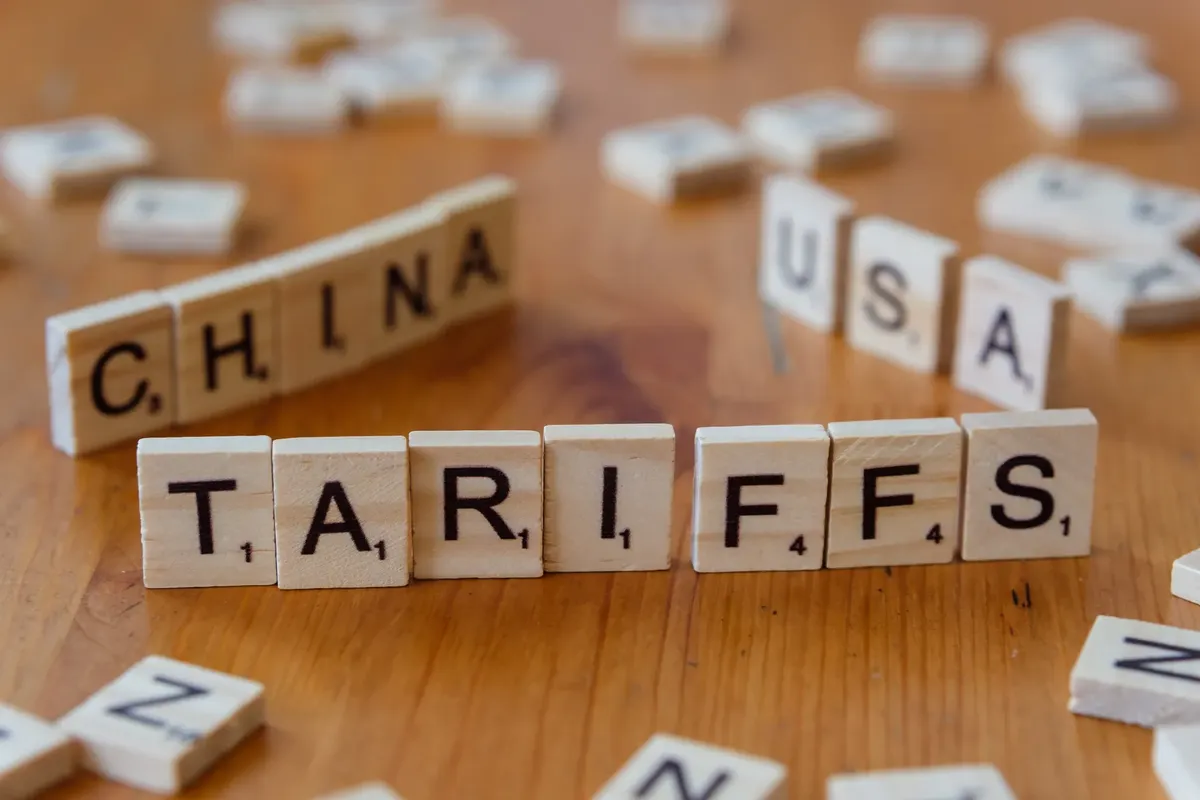
An economist traces a line on a graph, noting the subtle shifts in trade volume. Evaluating the economic effects of barrier easing requires looking at both the successes and the remaining frictions.
The future of UK trade deals depends on balancing domestic interests with international accessibility. While easing barriers can increase volume, it must be done without compromising domestic standards.
| Indicator | Value |
|---|---|
| 2025 GDP Growth | 1.4% |
| 2026 Real GDP Growth | 1.3% |
These comparative figures show the stability within which current negotiations are occurring.
The same subject is also called Post Brexit trade hurdles.
The same subject is also called National negotiation trade UK.
Related
- UK long term trade talks: Managing 1.4% GDP growth
- Trade barrier talks: Understanding UK EU trade barrier talks
What conditions must be met for successful trade barrier reduction? Successful trade barrier reduction depends on aligning domestic needs with international accessibility, which is part of the pursuit of economic stability. The easing of barriers must occur without undermining the nation's established domestic standards. These negotiations must address both technical requirements and movement regulations to create a predictable environment for international commerce.
How do technical standards relate to international agreements? Technical barriers to trade are governed by provisions derived from the WTO TBT Agreement. These provisions serve to prevent regulations from becoming unnecessary obstacles to the movement of goods across borders. Clear synchronization of these technical standards with global partners is necessary for trade to proceed without excessive friction, even with formal agreements in place.
The pursuit of economic stability necessitates a careful balancing act between national sovereignty and the ease of global exchange. The current discussions reflect an effort to manage this inherent friction within the UK's trade policy framework. This balancing act directly influences the pace and scope of any potential trade barrier easing.





Comments 0